Raja Ampat Coral Bleaching 2025: What Divers Need to Know
Introduction: A Changing Raja Ampat
Raja Ampat has long been known as Earth’s most biodiverse marine ecosystem — a place where coral gardens stretch for miles and reef life swirls in every direction. When we first dived the Dampier Strait in 2019, it felt untouchable. A living cathedral of coral.
On our return in 2025, after completing 26 dives across Central Raja Ampat, the beauty was still there — but so were the changes.
Some reefs remain spectacular. Others now show clear signs of stress, bleaching, and biodiversity decline. This article shares exactly what we saw, what’s causing it, and what divers should know before planning a trip.
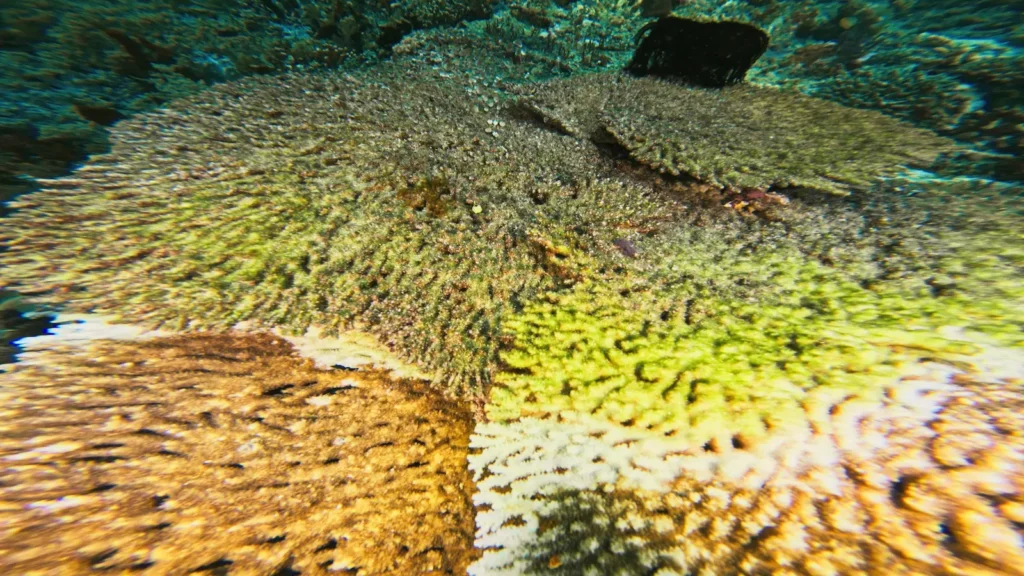
Why Is Coral Bleaching Increasing in Raja Ampat?
Coral bleaching happens when warming seas cause corals to expel their symbiotic algae (zooxanthellae). These algae provide:
90% of coral nutrition
their vibrant colour
resilience against disease
Without them, corals turn white and begin to starve.
Although Raja Ampat historically enjoyed stable temperatures and strong currents, global heatwaves between 2023–2025 pushed its thresholds. Even this world-class ecosystem is no longer immune.
The result?
Pockets of bleaching and coral mortality that vary significantly between dive sites — particularly in the Central region and the Dampier Strait.
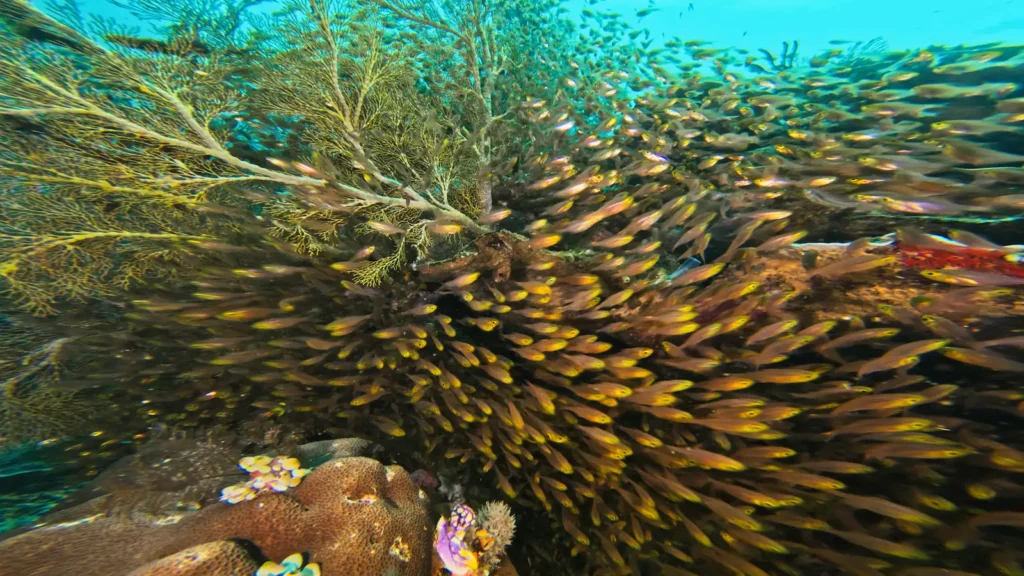
What We Witnessed in 2025 (Across 26 Dives)
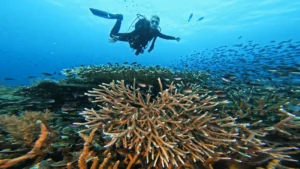
Some reefs looked nearly identical to 2019 — thriving, colourful, packed with life.
Others were unrecognisable.
We documented:
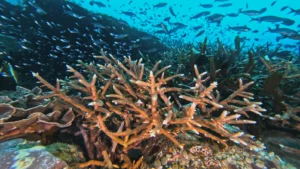
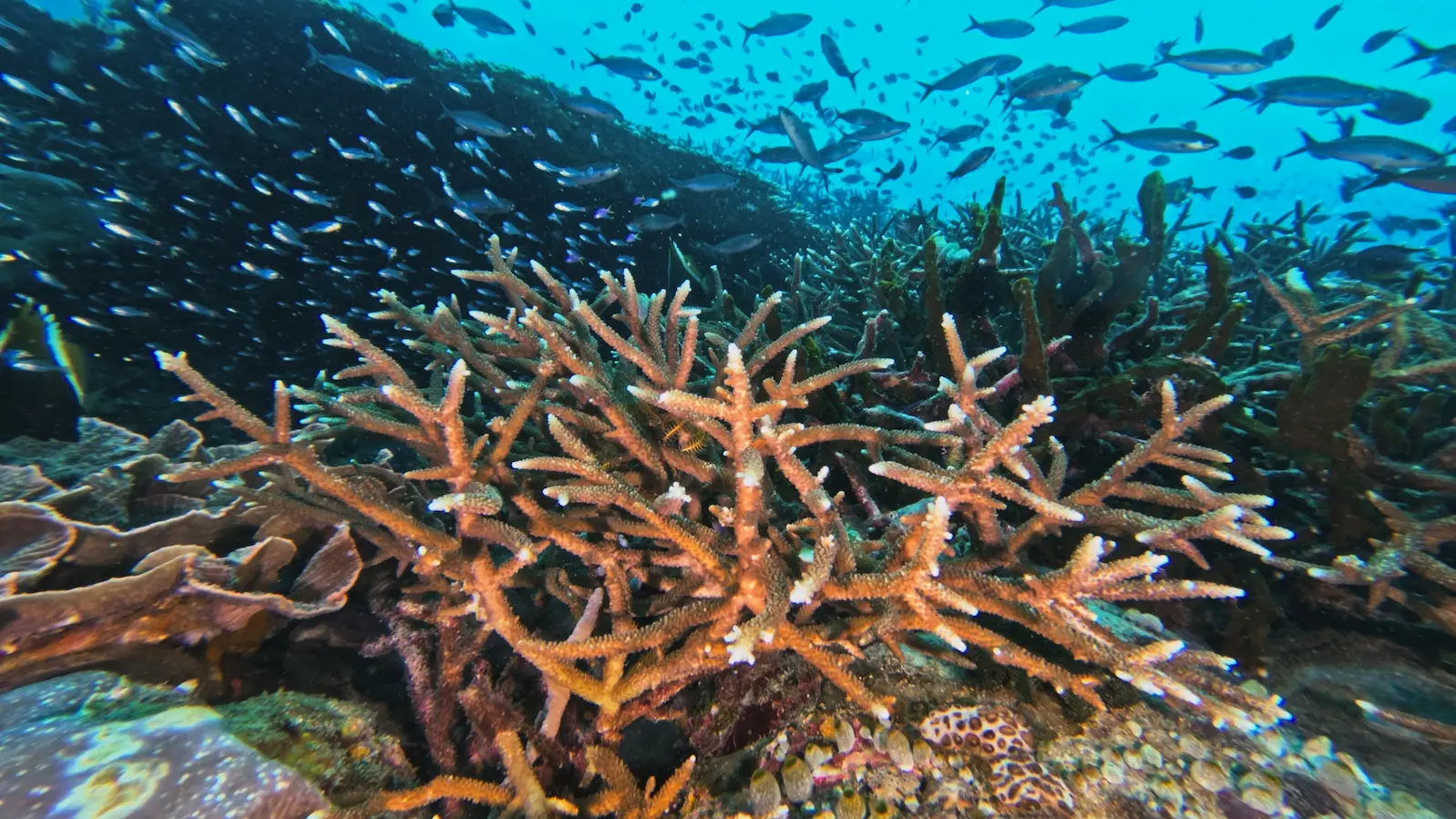
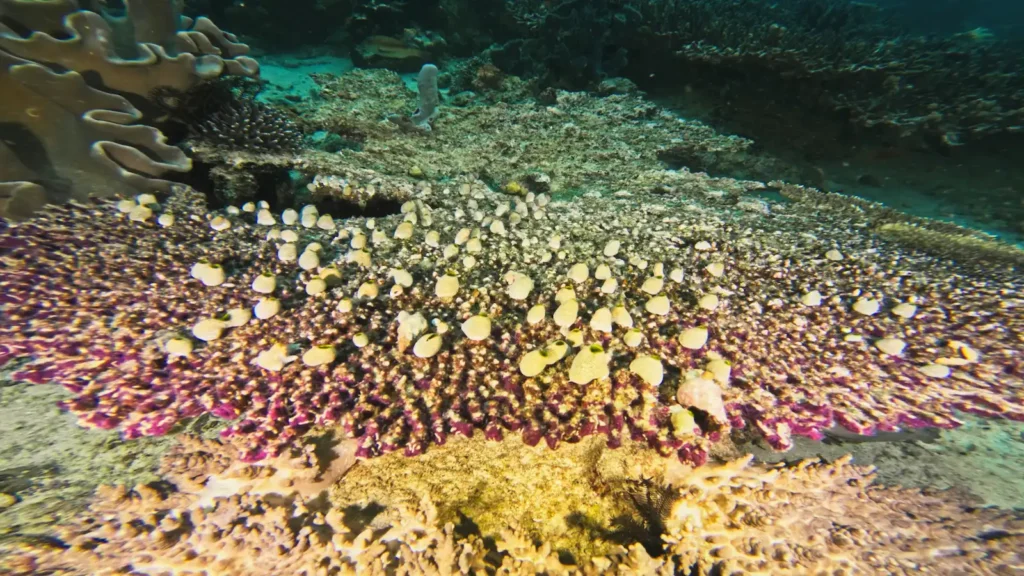
Large patches of bleached staghorn (Acropora)
Dead table corals in high-exposure areas
Broken sea fans, especially where currents meet reef edges
Coral colonies showing partial bleaching patterns
Thick aggregations of reef fish still present but behaviourally altered
More rubble fields where dense coral once grew
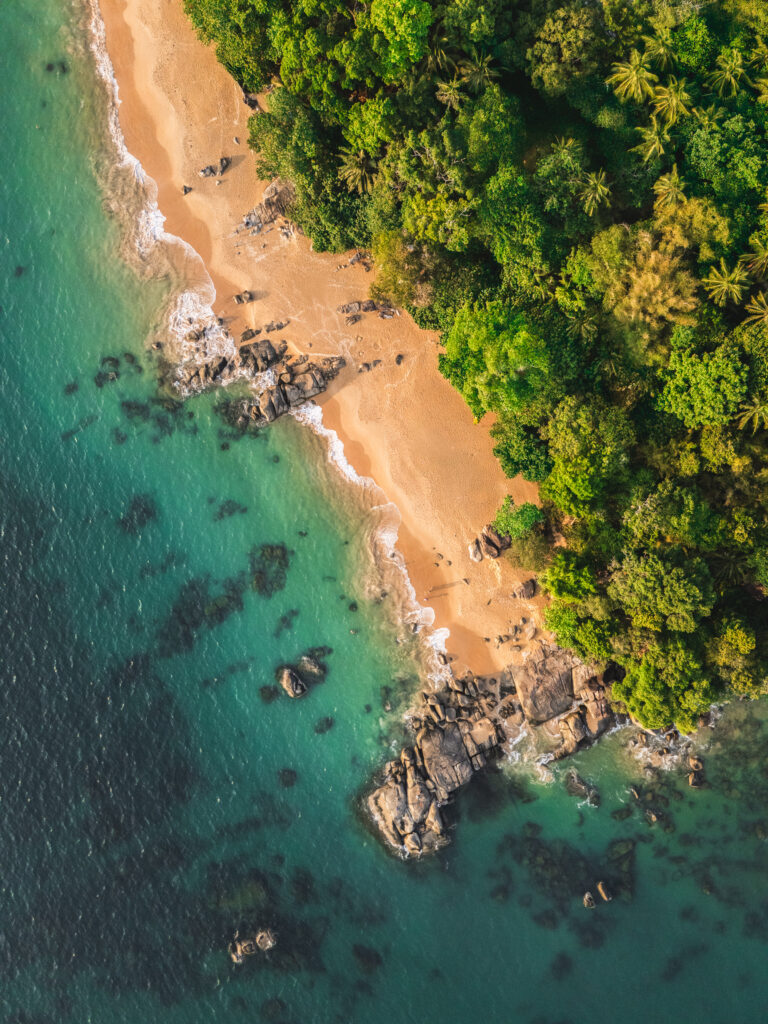
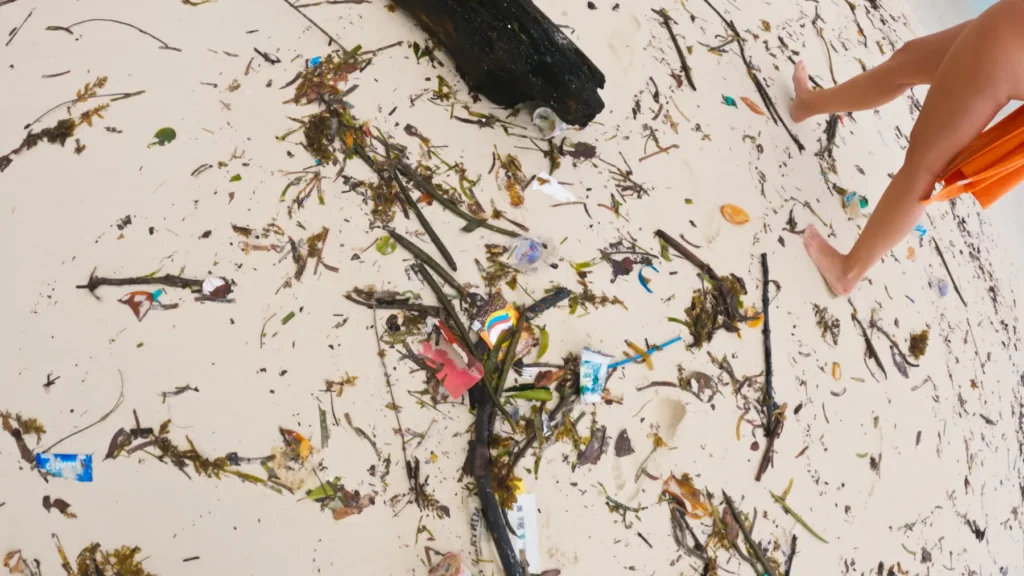
Occasional marine debris reaching otherwise pristine beaches
This isn’t a collapse — but it is a warning.
The Three Big Factors Contributing to Decline
1. Heat Stress & Global Temperature Rise
Elevated sea temperatures are the primary driver. Some corals can recover — but repeated bleaching events reduce resilience.
2. Strong Current Variability in the Dampier Strait
Currents can be both protective and damaging.
In 2025, we experienced:
Overwhelming downcurrents in some areas
Weak currents that normally deliver cool, nutrient-rich water
These inconsistent patterns influence which reefs thrive or struggle.
3. Human Impacts
Even in remote ecosystems, pressures exist:
Improper anchoring
Crowded sites
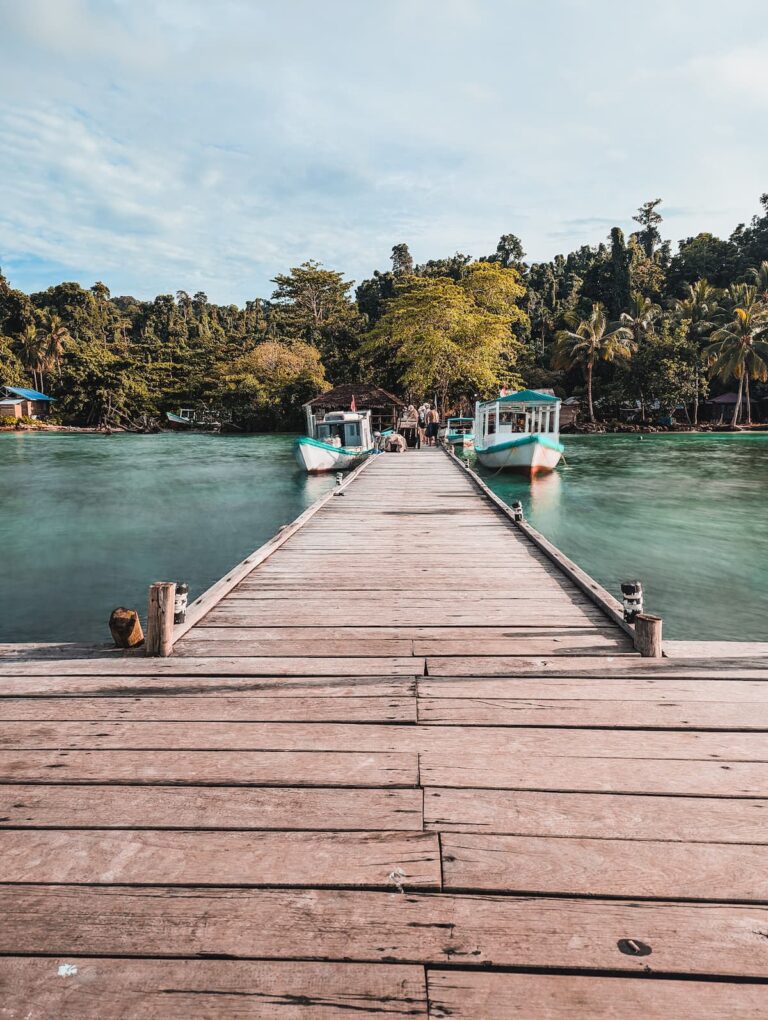
Fish feeding around jetties
Marine debris carried by tides
Unsustainable snorkelling practices
The reefs closest to human activity show the most stress.
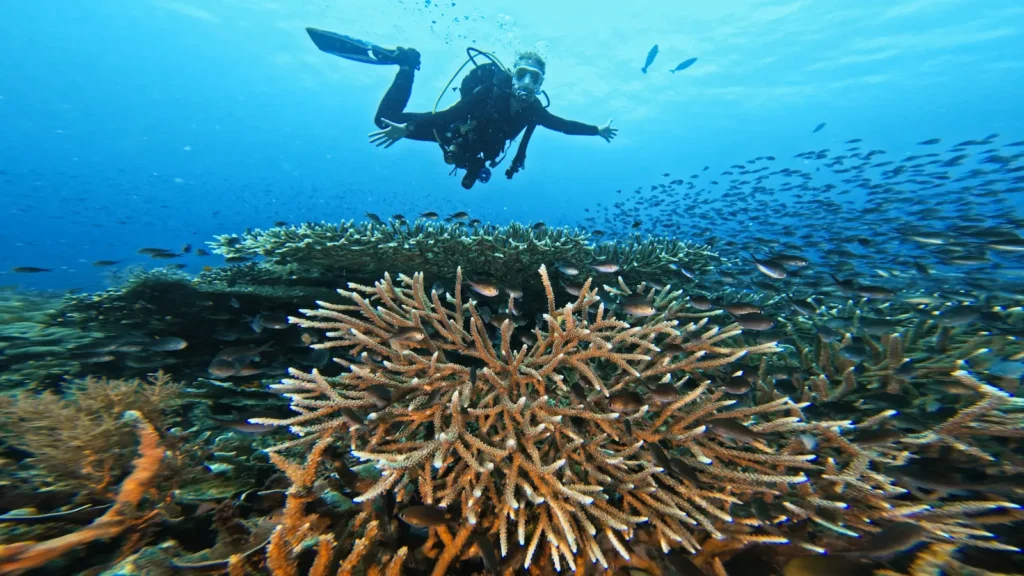
What’s Still Thriving (and Truly Spectacular)
Despite the challenges, Central Raja Ampat still offers underwater scenes you cannot find anywhere else.
We consistently saw:
Clouds of anthias
Fusiliers racing over bommies
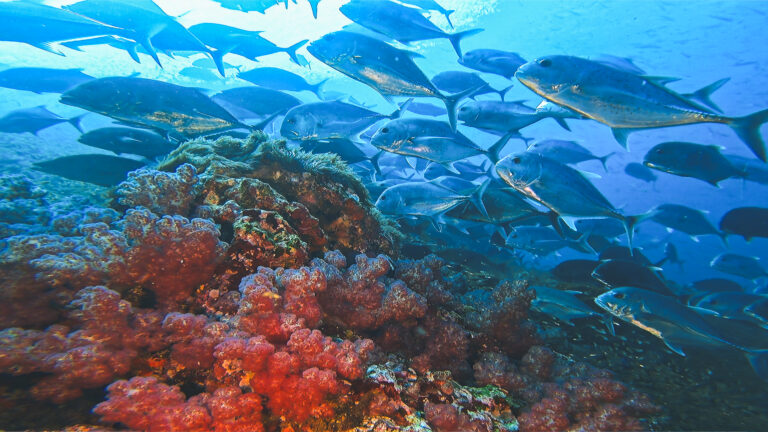
Sweetlips, snappers and batfish in huge numbers
Wobbegong sharks, tasseled and beautifully camouflaged
Crocodilefish
Incredible soft coral walls
Bommies still overflowing with life in the “right” conditions
Some sites — like Batu Rufus and parts of Melissa’s Garden — remain utterly breathtaking.
Which Areas of Central Raja Ampat Are Most Affected?
❗ Clarification:
This article specifically covers Central Raja Ampat / Dampier Strait, as bleaching varies dramatically across the wider region. South and North Raja Ampat have their own patterns, and some areas remain far less impacted. We will explore these in 2026.
Most affected areas we saw:
High-current reef tops (fast bleaching, fast die-off)
Shallow staghorn gardens (Acropora struggles most)
Chicken Reef & nearby bommies (up to 60% loss in certain zones)
Cape Kri’s exposed sections when currents were slack
Least affected areas:
Deep soft-coral walls
Sheltered bommies with strong water movement
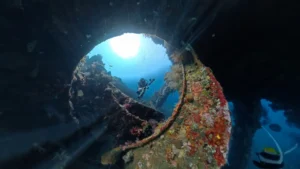
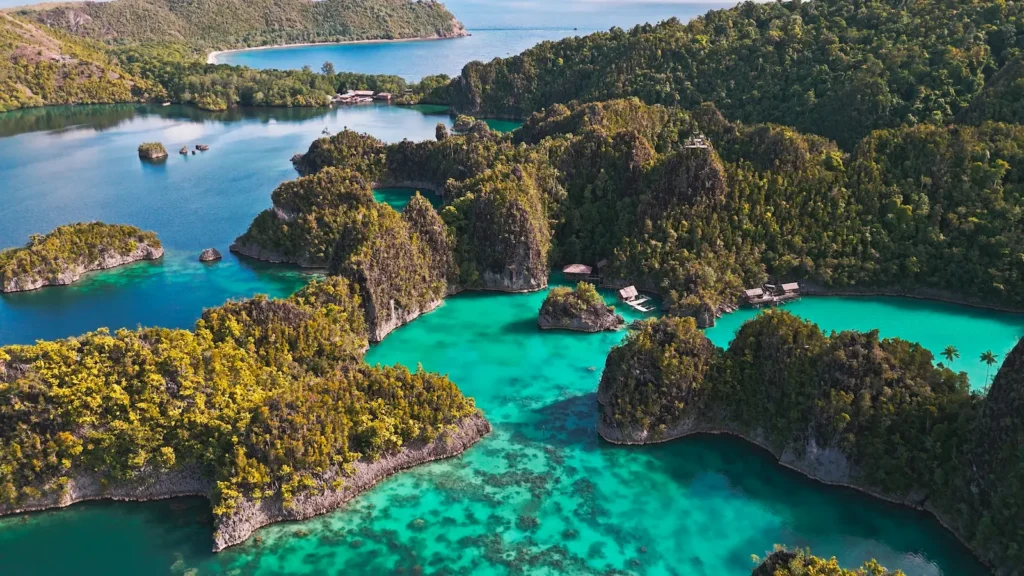
Batu Rufus lagoon & archway
Sections of Melissa’s Garden
Sites with stronger thermoclines during our dives
The contrast is stark: neighbouring reefs can look drastically different.
What Divers Need to Know Before Visiting in 2025–2026
1. Raja Ampat Is Still Worth Diving
Even with bleaching present, this remains one of the world’s greatest marine ecosystems.
But divers need realistic expectations.
2. Choose Your Operators Wisely
Select those who:
Restrict diver numbers
Avoid anchoring
Educate guests on buoyancy and reef etiquette
Never feed fish
Follow manta regulations
Avoid overcrowding fragile sites
3. Avoid Touching or Fin-Kicking Coral
Many colonies are already under stress — the smallest damage can be fatal.
4. Don’t Support Operators Who Offer Fish Feeding
Places like Yenbuba Jetty show behavioural change caused by mass feeding.
It’s dangerous for the ecosystem and for snorkellers.
5. Experienced Divers Only for Certain Sites
We do not recommend exposed pinnacles (e.g., Blue Magic, Cape Kri in strong current) for beginners.

So… Is Raja Ampat Still Worth It?
Absolutely — but for different reasons than before.
In 2019, Raja Ampat felt perfect. Untouched.
In 2025, it feels precious.
This is no longer just a bucket-list destination — it’s a frontline of climate change.
Diving here now feels like bearing witness to something extraordinary, beautiful, and fragile.
If anything, the changes only deepen the importance of choosing ethical operators and supporting conservation efforts.
Want to Watch the Full Story?
We documented everything during a 6 night Dive Safari around the central region and Dampier Strait — the bleaching, the beauty, the surprises, the heartbreak, and the hope.
Watch The First Episode Now
Responsible Travel Matters More Than Ever
Visiting Raja Ampat in 2025 is not just tourism. It’s contribution:
to local communities
to awareness of climate impacts
to reef conservation through marine park fees
to sustainable operators keeping pressure low
Raja Ampat is still magical. Still worth every journey.
But its future depends on informed divers — and that starts with you.

Read Next