Is Diving in Komodo Dangerous? What Divers Should Know
Before diving famous Komodo sites such as Batu Bolong, Castle Rock or The Cauldron, we recommend learning the fundamentals of drift diving and current awareness.
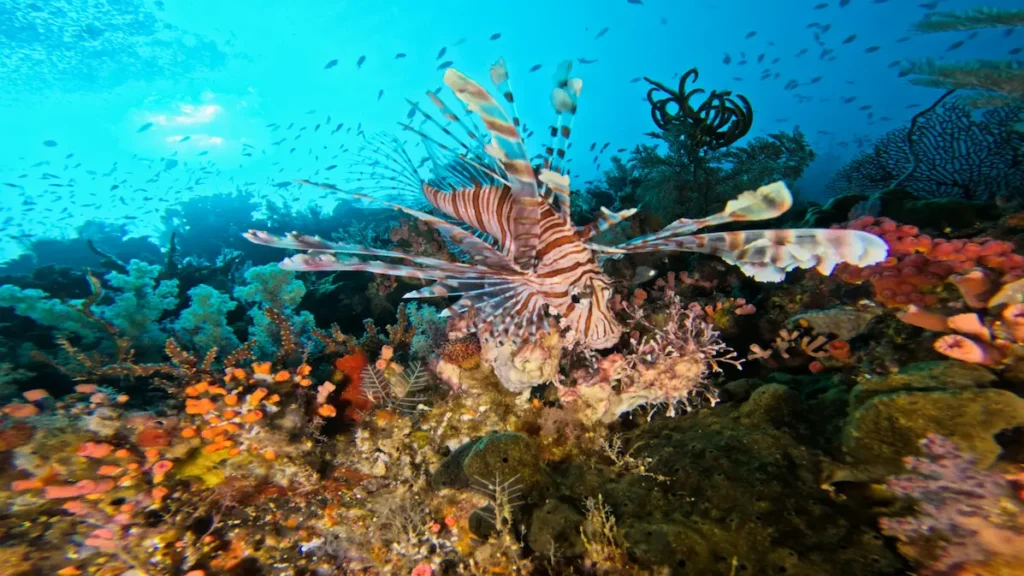
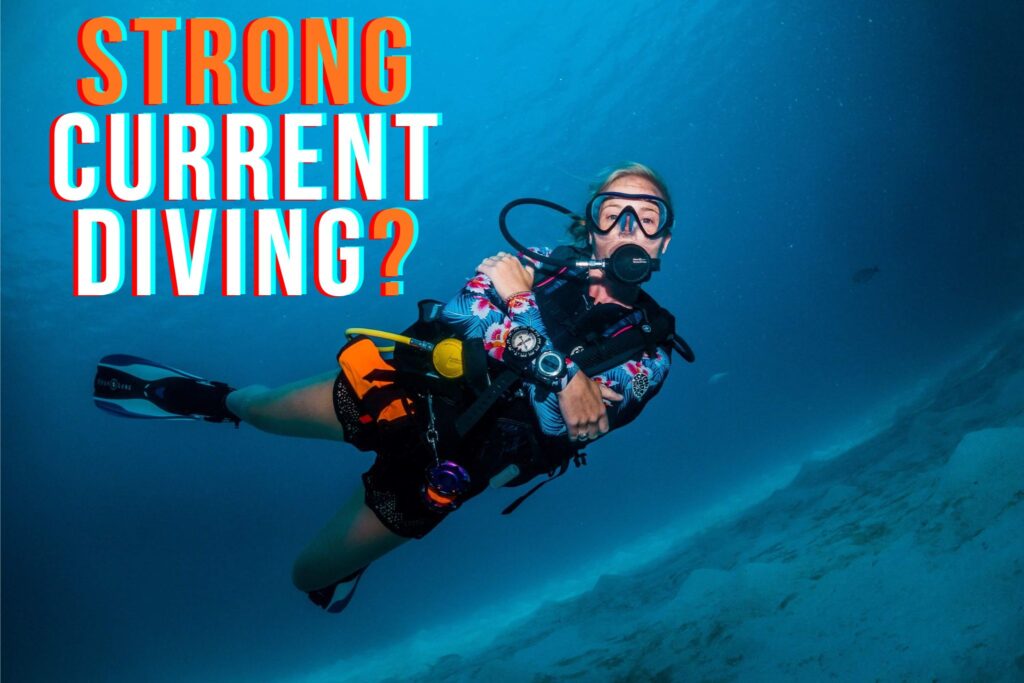
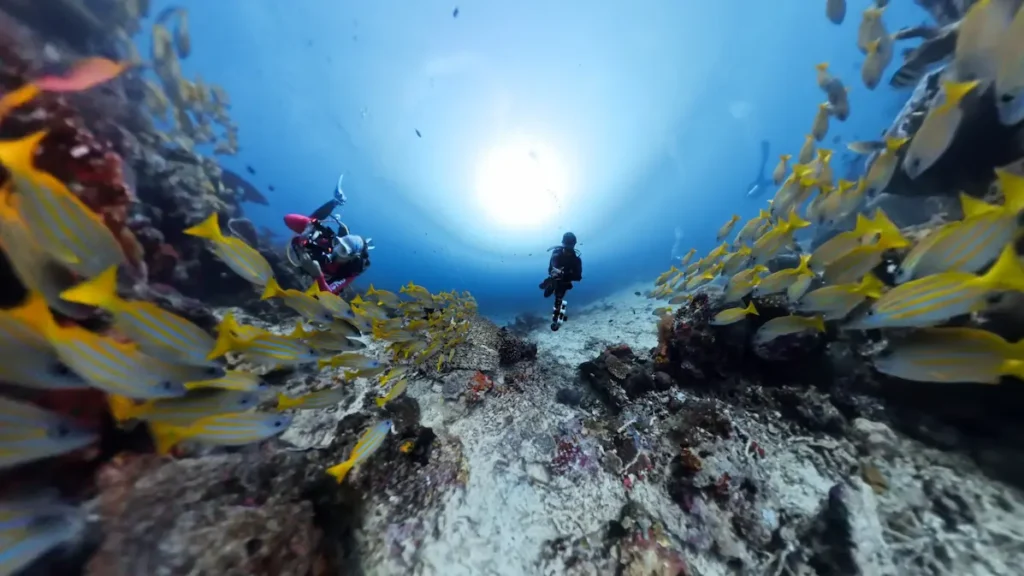

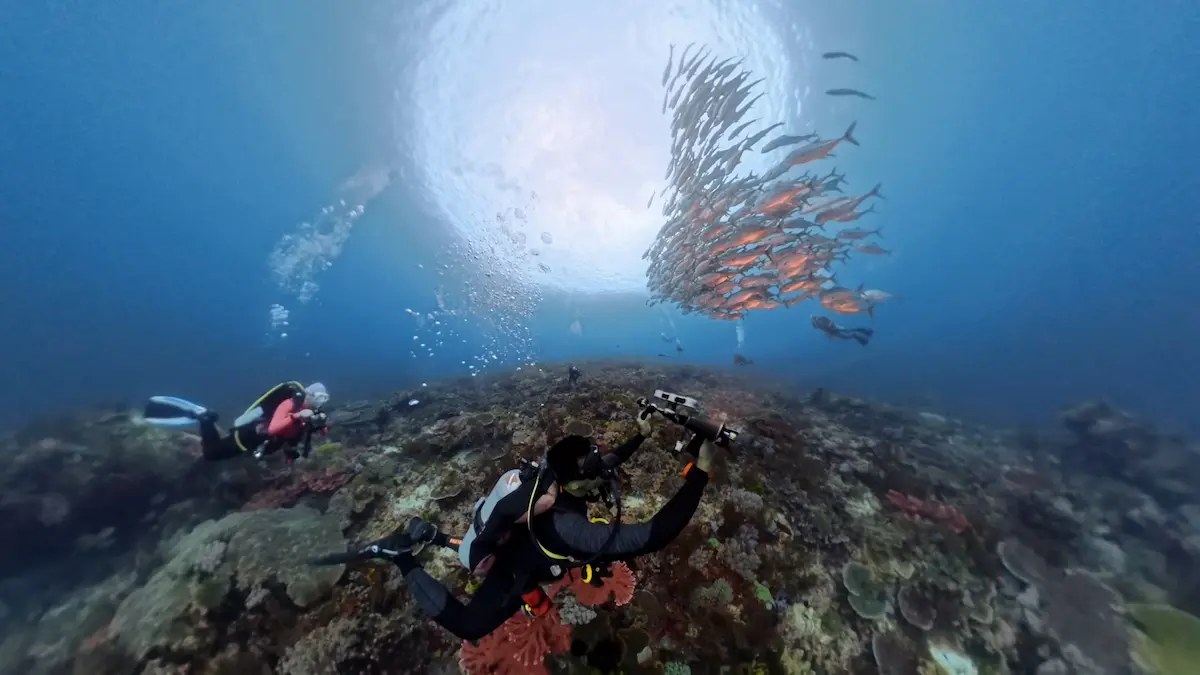
Komodo National Park is widely regarded as one of the most exciting dive destinations on the planet, but is diving in Komodo’s strong currents dangerous?
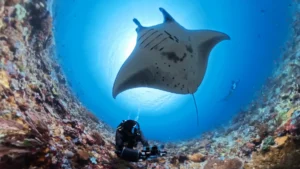
The reefs here are alive with sharks, manta rays, turtles and huge schools of fish. Powerful ocean currents bring nutrients from the surrounding seas, creating the kind of marine biodiversity that divers travel across the world to experience.
But these same currents are also the reason many divers ask the same question when planning a trip:
The honest answer is that Komodo diving can be challenging, but it is not dangerous when dives are planned properly and conducted with experienced guides.
Understanding the conditions and being suitably experienced and prepared is the key to diving here safely.
We first dived Komodo 8 years ago, and returning recently gave us a much clearer perspective on the conditions and how they affect different experience levels.
Before we break down whether Komodo diving is dangerous, it helps to see what the conditions actually look like underwater.
We feature a full day trip of diving Komodo — experiencing currents, drift dives, and different dive sites — which gives a realistic picture of what divers can expect.
If you enjoy real, honest dive guides and want to see more underwater experiences like this —
👉 subscribe to our channel here
Prefer to watch on YouTube?
👉 Click Here
Before diving famous Komodo sites such as Batu Bolong, Castle Rock or The Cauldron, we recommend learning the fundamentals of drift diving and current awareness.
Komodo sits between the Pacific Ocean and the Indian Ocean, creating a natural funnel where huge volumes of water move between the islands.
These tidal exchanges generate the strong currents that Komodo is famous for.
While this may sound intimidating, these currents are also what make the diving here so spectacular.
They bring nutrients that support:
In many ways, the currents are what make Komodo one of the most biodiverse marine ecosystems on Earth.
Read More: What Is Drift Diving?
| Factor | Typical Conditions |
|---|---|
| Experience level | Intermediate to advanced |
| Currents | Moderate to strong |
| Dive style | Drift diving |
| Visibility | 10–30 metres |
| Depth range | 10–35 metres |
| Marine life | Sharks, manta rays, turtles, reef fish |
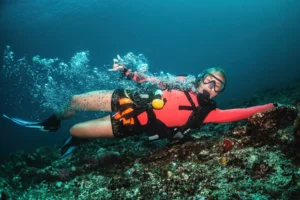
Many dives in Komodo are drift dives, where divers allow the current to carry them along the abundant reefs.
This style of diving can actually be very enjoyable once divers are comfortable with the technique.
Drift diving allows divers to:
Experienced guides carefully brief divers on how to position themselves in the current and where to take shelter behind reef formations.
Many of Komodo’s most famous sites involve drift diving techniques and current awareness.
If you’re not yet comfortable with negative entries, reef hooks, SMB deployment or strong currents, we recommend starting here:
👉 Strong Current & Drift Diving Guide
Our guide includes:
Not all dive sites in Komodo are suitable for every diver.
Certain locations are known for stronger currents and deeper dives.
Examples include:
A narrow channel where currents can accelerate dramatically between the islands. Divers are often ‘hooked’ in the face of the current, unhooking and safety navigating out from the fast flowing water is required to complete this dive. The current is so strong here that you can be ‘shot’ out into open ocean if you forget to deflate your BDC before unhooking or lose a fin or mask from the rush of the current. Composure and an advanced skillset is crucial for safety on this dive site. Watching your air consumption and no decompression limits (NDLs) is imperative to avoid emergency procedures or deco-diving.
A famous seamount that attracts large pelagic fish but can experience strong currents and is dived in the ‘split’ of the current. Requiring a negative entry and deep navigation, it then requires divers to sit in the face of the current using a reef hook to not be ‘blown’ off the dive site. The skillset of using a reef hook should ideally be mastered for safety before diving here.
One of the most iconic dive sites in Komodo, but conditions can vary significantly depending on tides. These sites are usually recommended for experienced divers with drift diving experience. Due to the swift changing currents and unpredictable switches in current, this dive site can be incredibly dangerous due to strong down currents at either end.
Experienced dive operators plan dives carefully around the tides.
This is one of the most important safety measures when diving in Komodo.
Guides typically:
Good dive planning ensures that divers enter the water when currents are manageable.
Komodo is one of the most remote dive destinations many recreational divers will visit.
While incidents are rare, evacuation costs, chamber treatment and emergency medical transport can become extremely expensive.
We never dive destinations such as Komodo, Raja Ampat or the Maldives without specialist dive insurance.
👉 DAN Dive Insurance (What We Personally Use)
For international travel insurance, we currently use:
One of the best ways to ensure a safe Komodo diving experience is to choose a reputable dive operator.
Experienced operators know the local conditions and can adapt dive plans when currents change.
Professional dive guides will:
These safety practices make a significant difference when diving in dynamic environments like Komodo.
Book your stay in Labuan Bajo for your Komodo Dive Trip now
Read More: Komodo Day Trip vs Liveaboard
Strong-current destinations such as Komodo require divers to think about visibility and separation from the boat.
Many experienced divers carry:
For remote destinations such as Komodo, Raja Ampat and the Maldives, the Nautilus Lifeline is one of the most popular emergency location devices used by divers.
👉 Nautilus Lifeline (10% Discount, use code ‘aaroncassie‘ )
Although Komodo offers some accessible dive sites, the destination is generally best suited to divers with at least some experience.
Newly certified divers may prefer destinations with calmer conditions before tackling stronger current environments.
Locations such as Tulamben in Bali or South Lombok often provide gentler learning conditions.
For many divers, Komodo offers some of the most rewarding diving experiences anywhere in the world.
Drifting along vibrant coral reefs while manta rays circle nearby is something few dive destinations can rival.
With proper preparation, experienced guides and respect for the ocean conditions, diving in Komodo is not only safe — it is extraordinary.
Still deciding whether Komodo is right for your level of experience?
Before diving Komodo, we recommend:
Need help preparing?
👉 Komodo: The Ultimate Diving Guide
Everything you need to know about diving in Komodo.
👉 Best Dive Sites in Komodo National Park
A breakdown of Komodo’s most famous dive sites and what makes each one unique.
👉 Komodo Day Trip vs Liveaboard Diving
Which option is best depending on your experience, budget, and travel style.
👉 Beginner Diving in Komodo: Is It Possible?
How new divers can still experience Komodo safely.
Komodo diving can be challenging due to strong currents, but it is not dangerous when dives are conducted with experienced guides and appropriate dive planning.
Many dive operators recommend Advanced Open Water certification because it prepares divers for deeper dives and drift diving techniques.
Yes, currents in Komodo can be strong due to tidal exchanges between the Pacific and Indian Oceans. However, dive operators plan dives carefully around the tides.
Beginner divers can dive certain calmer sites in Komodo, but many of the park’s most famous dives are better suited to experienced divers.
Don’t Just Watch Our Trips — Dive Smarter With Us.
Join 2,000+ travel lovers getting our exclusive tips, gear hacks, and behind-the-scenes vlog drops — only for subscribers.
No spam. Just stories, tips, and beautiful destinations.
Komodo National Park is one of the most exciting diving destinations on Earth. With dramatic reef structures, powerful currents, and extraordinary marine life, the park attracts divers from around the world hoping to experience its legendary underwater landscapes. But when planning a Komodo diving trip, one question comes up again and again: Do you need
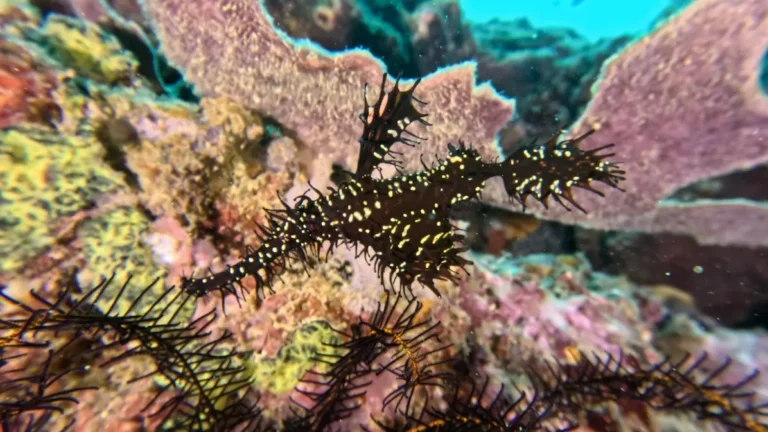
Macro diving in Lombok is quickly gaining attention as one of Indonesia’s most underrated underwater experiences. For many divers, Lombok is still seen as a surf island. But beneath the waves off the island’s southern coastline lies something unexpected. An emerging macro diving hotspot. While South Lombok may not yet have the international reputation of
Content note: This article discusses allegations of sexual harassment, coercion and assault. Confidential support resources are provided below. Table of Contents Dive trip safety isn’t just about dive equipment, emergency procedures or choosing the right conditions. It’s also about trusting the people responsible for your accommodation, wellbeing and experience. For many travellers, influencer-led ocean expeditions

Planning a trip to Thailand’s island paradise? Whether you’re a seasoned scuba diver, a snorkeling enthusiast, or a curious first-timer, Koh Lipe delivers one of the richest underwater experiences in Southeast Asia. Why Koh Lipe? Koh Lipe is a remote gem in Thailand’s Andaman Sea, part of Tarutao National Marine Park. Despite its small size,
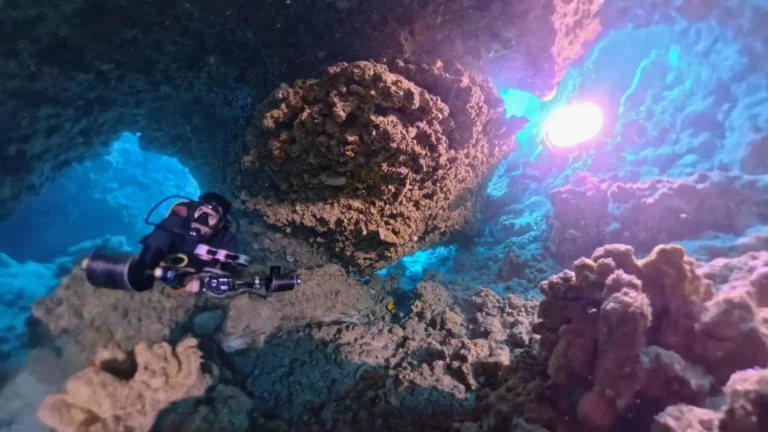
When most people think about Kuta Lombok, diving isn’t the first thing that comes to mind. The town has built its reputation around surfing, drawing wave riders to the dramatic bays scattered along Lombok’s southern coastline. But just beyond those same cliffs and headlands lies a series of dive sites that remain surprisingly under the
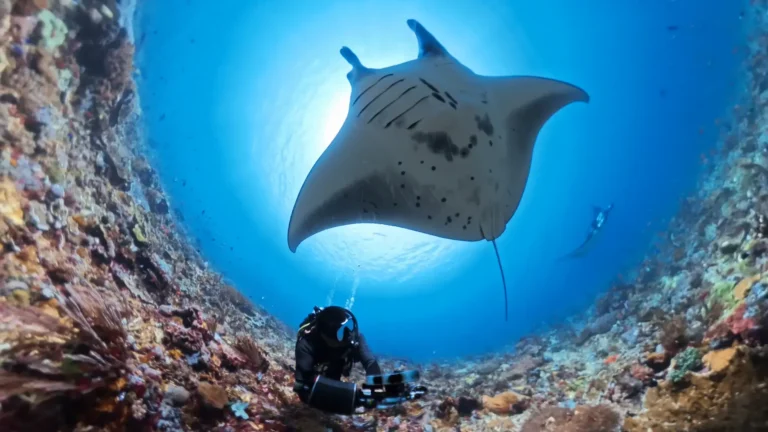
Few dive destinations in the world generate as much excitement as Komodo National Park. Located between the islands of Sumbawa and Flores in eastern Indonesia, the park is famous not only for its iconic Komodo dragons but also for some of the most exhilarating scuba diving on the planet. Strong nutrient-rich currents flow through the
We use cookies to improve your experience on our site. By using our site, you consent to cookies.
Manage your cookie preferences below:
Essential cookies enable basic functions and are necessary for the proper function of the website.
These cookies are needed for adding comments on this website.
Statistics cookies collect information anonymously. This information helps us understand how visitors use our website.
Google Analytics is a powerful tool that tracks and analyzes website traffic for informed marketing decisions.
Service URL: policies.google.com (opens in a new window)
One Comment