Best Dive Sites in Komodo National Park (Mantas, Sharks & Drift Diving Guide)
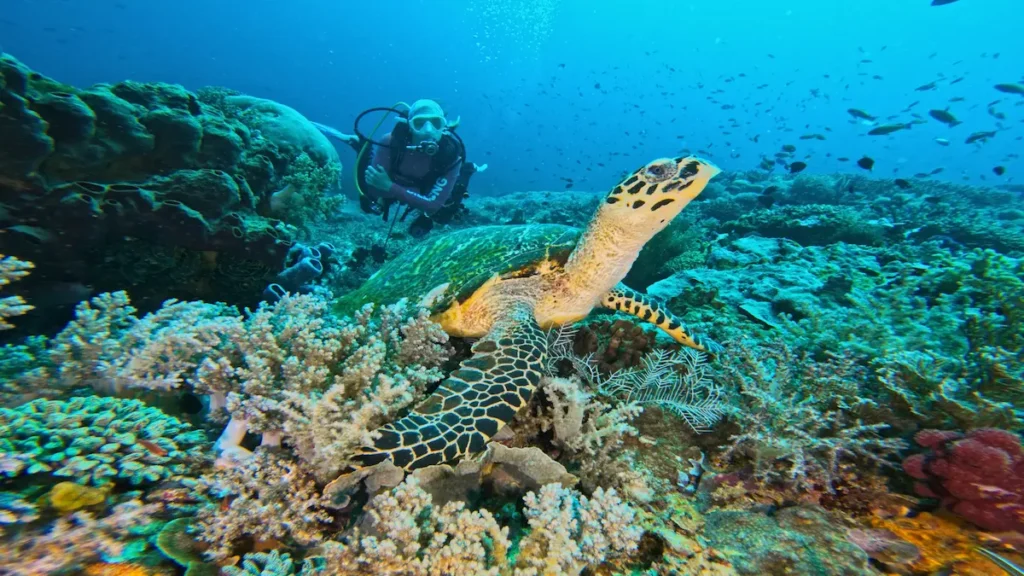
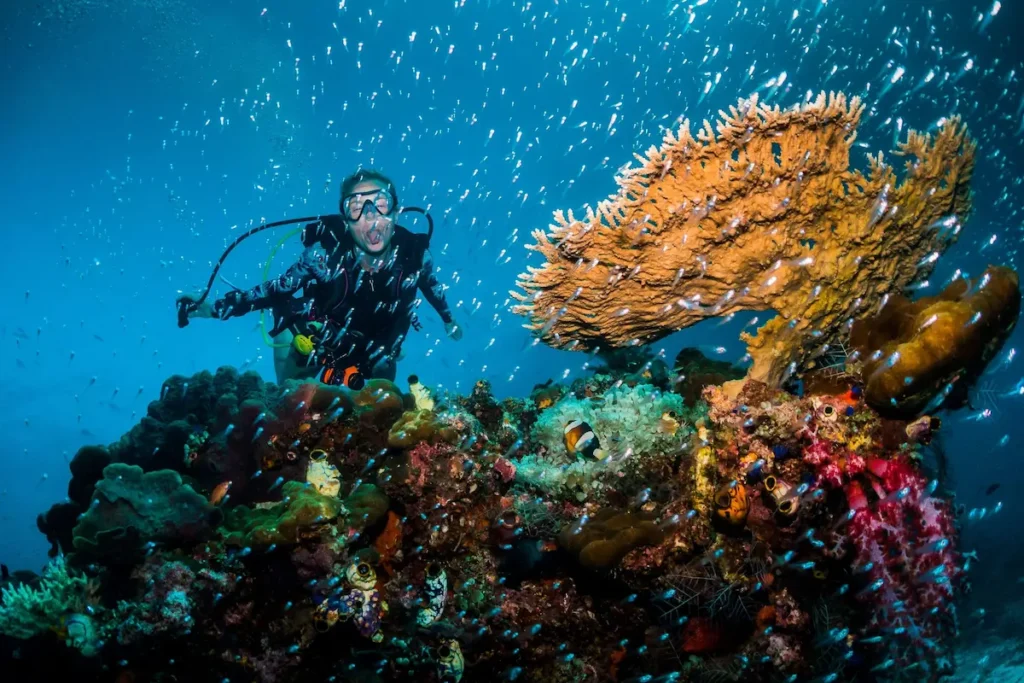

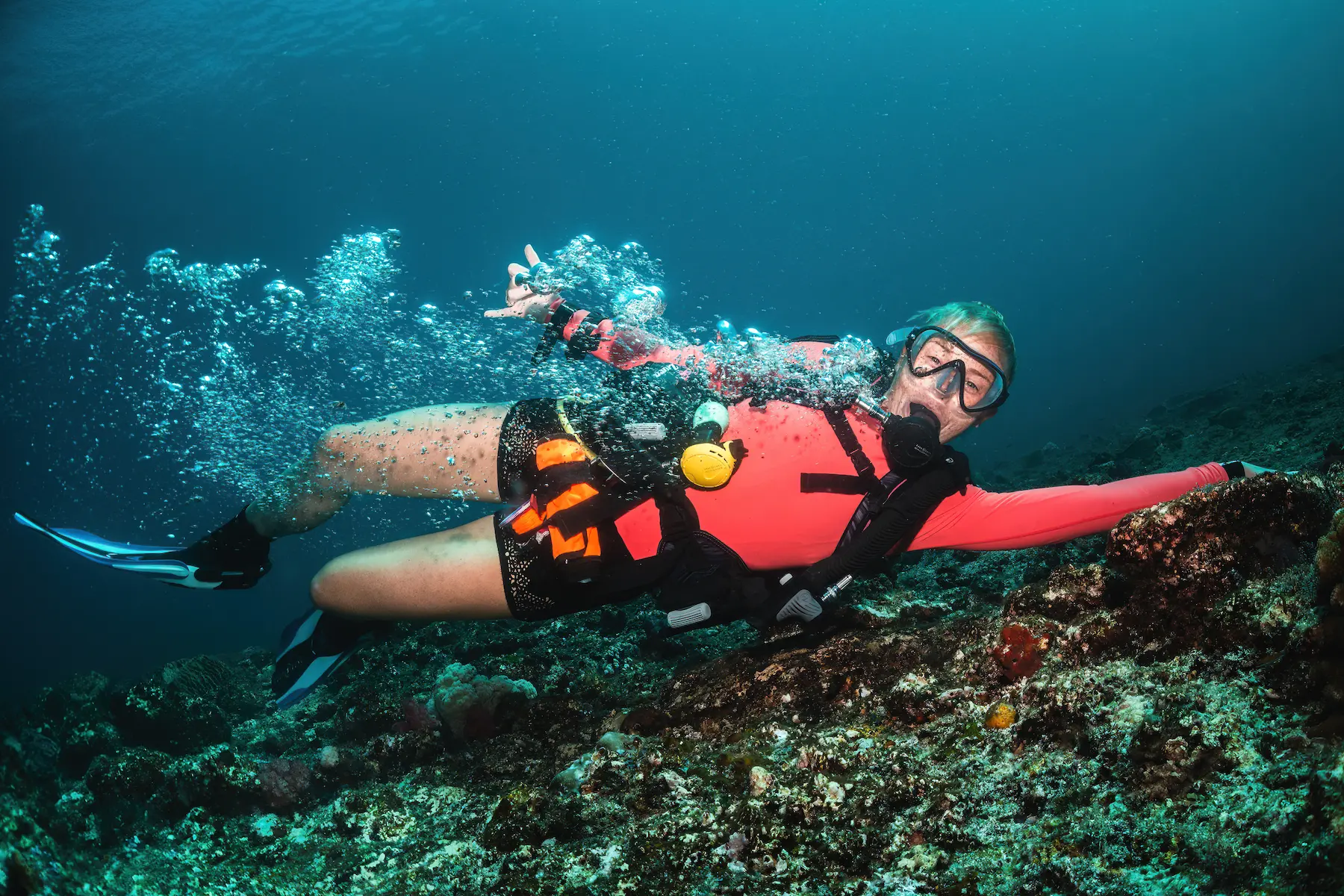
Komodo National Park is widely regarded as one of the most exciting diving destinations on Earth. Komodo’s dive sites are some of the most diverse in the world, offering everything from manta ray encounters to fast-paced drift dives.
This guide covers the best dive sites in Komodo National Park — including conditions, marine life, and what to expect at each location.
What makes Komodo so special is not just the biodiversity — it’s the sheer intensity of the underwater environment.
Powerful tidal currents move between the Pacific and Indian Oceans through the park’s island channels, bringing nutrient-rich water that supports an extraordinary concentration of marine life.
The result is a dive environment filled with dramatic reef structures, large pelagic species, and thriving coral ecosystems.
While the park contains dozens of dive sites, several have become legendary among divers.
Here are some of the most famous and rewarding dive sites in Komodo National Park.
We wanted to test a simple question:
Can you experience the best of Komodo diving in just one day?
So we took on a 3-dive challenge — exploring currents, marine life, and some of the park’s most iconic dive sites.
If you love discovering the world’s best dive destinations through real, honest experiences —
👉 subscribe to our channel here
Prefer to watch on YouTube?
👉 Watch Here
Here’s a quick overview of the best Komodo dive sites, including difficulty level, marine life highlights, and how to access each location.
| Dive Site | Level | Highlights | Location | Best Access |
|---|---|---|---|---|
| Batu Bolong | Intermediate–Advanced | Reef sharks, schooling fish, vibrant coral | Central Komodo | Day trip / Liveaboard |
| Manta Point | Beginner–Intermediate | Manta rays, cleaning stations | Central Komodo | Day trip / Liveaboard |
| Castle Rock | Advanced | Strong currents, sharks, pelagics | North Komodo | Liveaboard / Advanced day trips |
| Crystal Rock | Advanced | Drift diving, reef sharks, schooling fish | North Komodo | Liveaboard / Advanced day trips |
| Tatawa Besar | Intermediate | Beautiful drift dive, turtles, coral gardens | Central Komodo | Day trip / Liveaboard |
| Siaba Besar | Beginner | Calm conditions, turtles, macro life | Central Komodo | Day trip |
| The Cauldron (Shotgun) | Advanced | Fast drift, channel dive, reef sharks, schooling fish | North Komodo | Liveaboard / Advanced day trips |
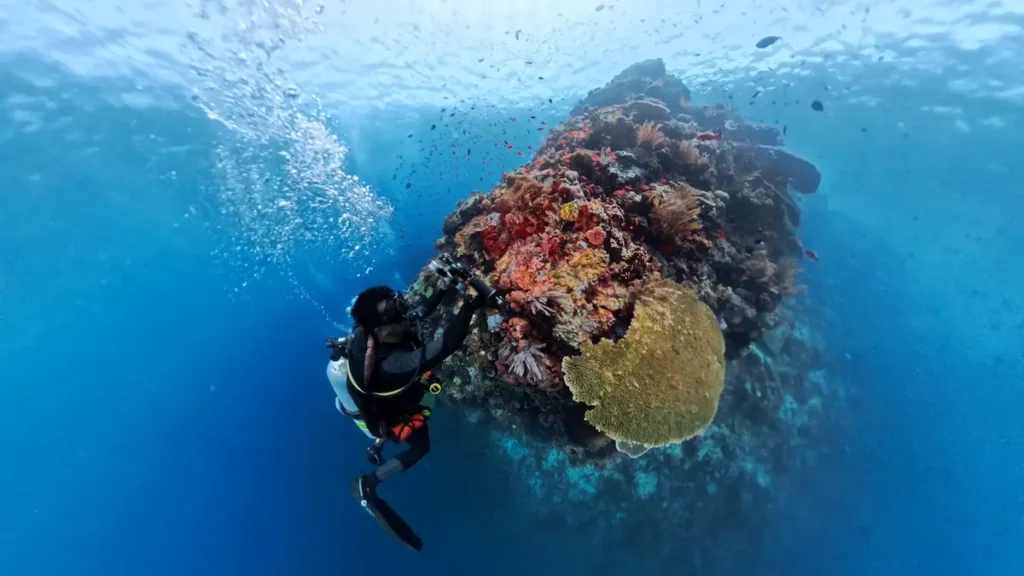
If there is one dive site that perfectly represents the magic of Komodo, it’s Batu Bolong.
This submerged pinnacle rises dramatically from deep water, forming a coral-covered reef tower surrounded by powerful currents.
The walls of the pinnacle are covered with vibrant soft corals, sponges and dense schools of fish.
Marine life here can be extraordinary.
Divers frequently encounter:
Because currents can be strong, Batu Bolong is typically recommended for experienced divers comfortable with drift diving.
If you’re new to strong currents, learning how to equalise properly can make a huge difference underwater.
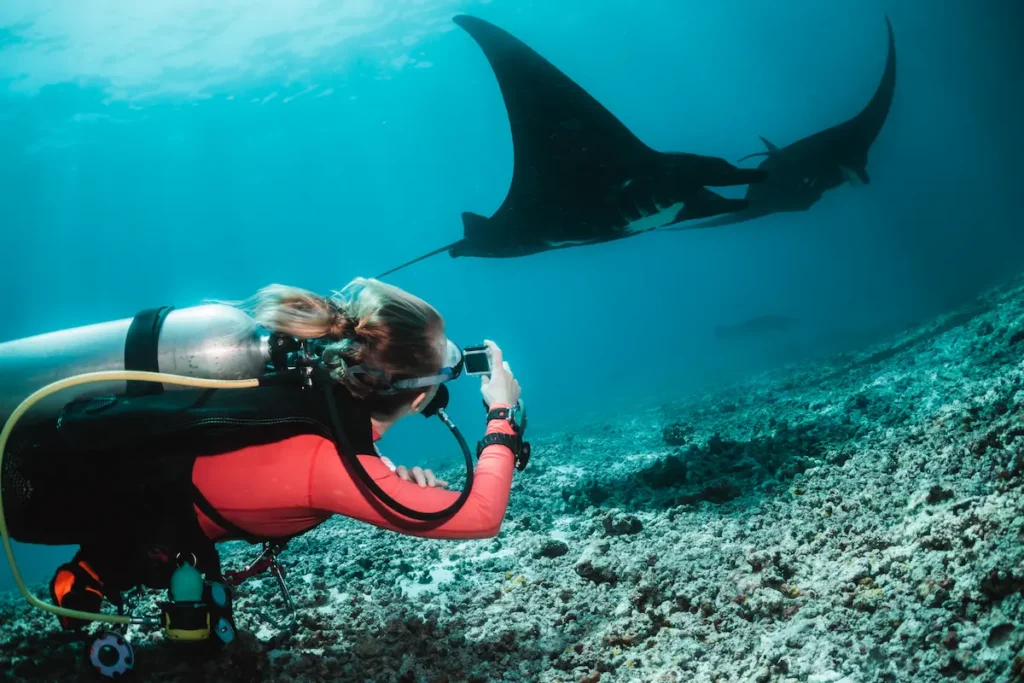
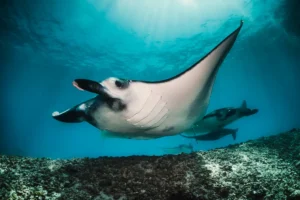
For many divers visiting Komodo, Manta Point is one of the main highlights of the trip.
This shallow dive site serves as a cleaning station for reef manta rays, which gather here while cleaner fish remove parasites from their skin.
Mantas can often be seen circling above the reef or gliding gracefully through the current.
Unlike some of the park’s more demanding dive sites, Manta Point is relatively shallow and accessible, making it suitable for a wider range of divers.
However, currents can still be present depending on tidal conditions.
Castle Rock is another iconic Komodo dive site known for its impressive pelagic activity.
The dive takes place around a submerged seamount rising from deeper water.
Currents here attract large schools of fish and hunting predators.
Divers may encounter:
Because of strong currents and deeper depths, Castle Rock is generally considered an advanced dive site.
Located close to Castle Rock, Crystal Rock offers another thrilling drift dive.
This submerged reef pinnacle attracts large schools of fish and pelagic species.
Divers often see:
Soft corals and reef fish also cover the reef structure.
Like many Komodo sites, conditions here can change quickly depending on tidal flow.
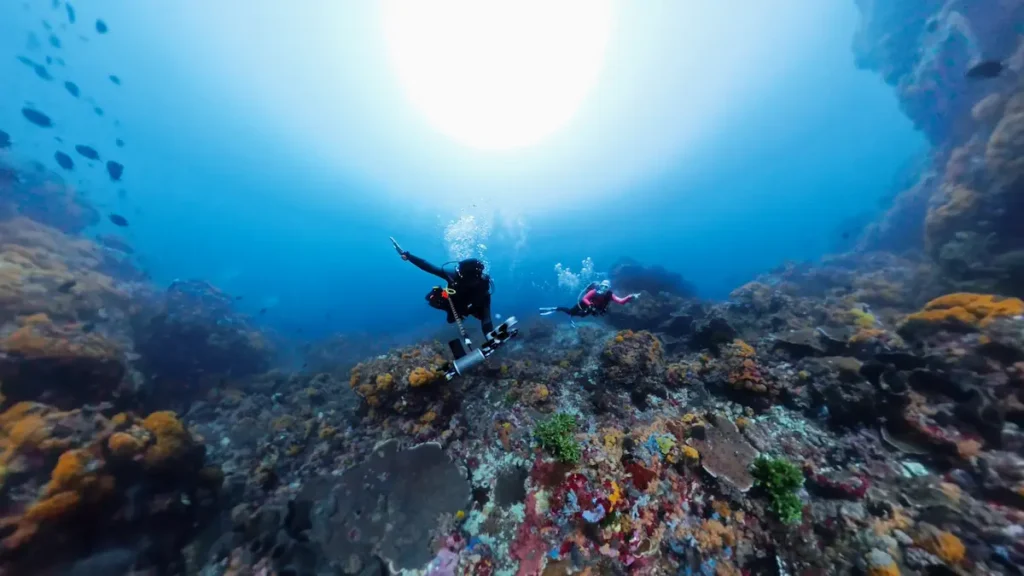
Tatawa Besar is famous for its spectacular drift diving.
Divers enter the water at one end of the reef and allow the current to carry them along a coral slope covered with colourful reef life.
This site is known for its healthy coral formations and large schools of reef fish.
When conditions are right, the drift can feel like flying across the reef.
The Cauldron — often referred to as “Shotgun” — is one of Komodo’s most exhilarating drift dives.
Divers descend into a natural bowl before being propelled through a narrow channel by strong currents, creating the famous “shotgun” effect.
Expect fast-moving water, reef sharks, and large schools of fish — but this site is strictly for experienced divers due to the intensity of the currents.
Not every dive in Komodo involves strong currents.
Siaba Besar offers a calmer environment and is often used as a dive site suitable for less experienced divers.
The reef here features coral slopes and sandy patches where divers may encounter:
Because of its calmer conditions, Siaba Besar is sometimes referred to as “Turtle City.”
Most divers access Komodo National Park from Labuan Bajo, the main gateway town on Flores.
From here, dive operators run daily trips into the park.
Many divers choose day trips operated by dive centres such as Blue Marlin Dive Komodo, which use fast boats to reach dive sites efficiently.
Other divers prefer longer, slower dive trips or safari-style experiences that explore the park at a more relaxed pace.
Operators like Scuba Republic Komodo offer this style of diving, allowing divers to experience more of the park over multiple dives.
Both approaches provide excellent opportunities to explore Komodo’s famous dive sites.
Few places on Earth offer the same combination of:
For experienced divers seeking adventure and biodiversity, Komodo National Park consistently ranks among the world’s top dive destinations.
And with dozens of dive sites scattered throughout the park, every trip reveals new underwater landscapes and marine encounters.
Before choosing which dive sites to visit, it’s important to understand how you’ll experience Komodo National Park.
Most divers explore Komodo in one of two ways:
Day trips from Labuan Bajo
Liveaboards
The key difference?
👉 Access, pace, and overall experience.
Some of Komodo’s most famous dive sites — like Batu Bolong and Manta Point — are often reached on day trips, while more remote areas typically require a liveaboard.
Not sure whether to book a liveaboard or dive from Labuan Bajo?
We’ve dived Komodo both ways — and the experience is completely different depending on how you choose to explore it.
👉 Watch our full comparison before you book your trip
We’ve dived Komodo both ways — day trips and liveaboards.
👉 Read our full comparison guide to decide what’s right for you.
Or you can watch our honest breakdown as we cover:
Batu Bolong, Manta Point, Castle Rock, and Tatawa Besar are among the most famous dive sites.
Some sites are beginner-friendly (like Siaba Besar), but many require experience due to strong currents.
April to November offers the best visibility and calmer conditions.
Komodo offers stronger currents and more pelagic action, while Raja Ampat is known for biodiversity and coral reefs.
Komodo National Park is one of the most exciting diving destinations on Earth. With dramatic reef structures, powerful currents, and extraordinary marine life, the park attracts divers from around the world hoping to experience its legendary underwater landscapes. But when planning a Komodo diving trip, one question comes up again and again: Do you need
Introduction: A Changing Raja Ampat Raja Ampat has long been known as Earth’s most biodiverse marine ecosystem — a place where coral gardens stretch for miles and reef life swirls in every direction. When we first dived the Dampier Strait in 2019, it felt untouchable. A living cathedral of coral. On our return in 2025,
Aerial view of the Dampier Strait in Central Raja Ampat Advanced Divers Edition — What You Really Need to Know Before Diving Central Raja Ampat Dive Sites and the Dampier Strait Most guides to Raja Ampat describe a tropical paradise untouched by time.But if you’re planning a trip now, in 2026, you need an updated,
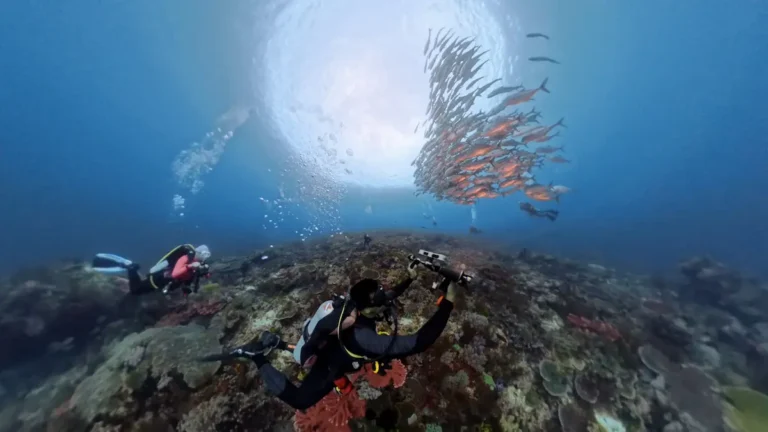
Is Komodo Diving Dangerous? A Realistic Guide for Divers Komodo National Park is widely regarded as one of the most exciting dive destinations on the planet, but is diving in Komodo’s strong currents dangerous? The reefs here are alive with sharks, manta rays, turtles and huge schools of fish. Powerful ocean currents bring nutrients from

Planning a trip to Thailand’s island paradise? Whether you’re a seasoned scuba diver, a snorkeling enthusiast, or a curious first-timer, Koh Lipe delivers one of the richest underwater experiences in Southeast Asia. Why Koh Lipe? Koh Lipe is a remote gem in Thailand’s Andaman Sea, part of Tarutao National Marine Park. Despite its small size,
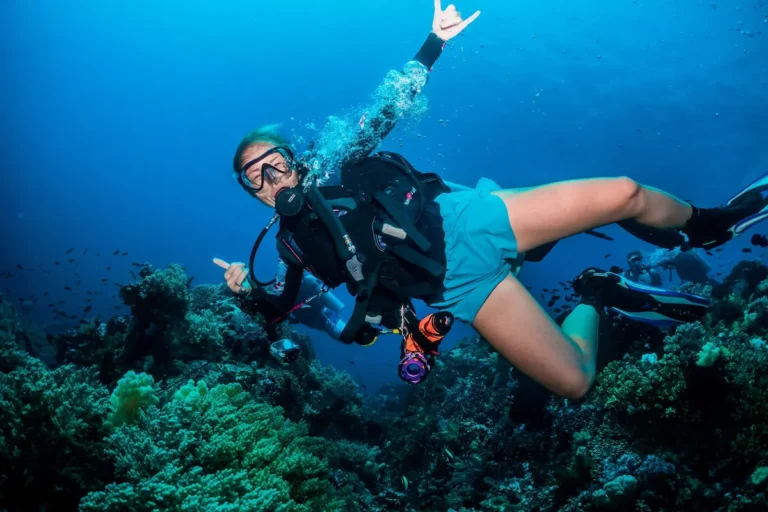
Small, overlooked dive safety tools that could save your life underwater — recommended from over 8 years working professionally in the scuba industry. Most divers spend hours researching expensive dive computers, BCDs and cameras… But some of the most important pieces of scuba safety equipment are actually the smallest, cheapest and easiest items to carry.
We use cookies to improve your experience on our site. By using our site, you consent to cookies.
Manage your cookie preferences below:
Essential cookies enable basic functions and are necessary for the proper function of the website.
These cookies are needed for adding comments on this website.
Statistics cookies collect information anonymously. This information helps us understand how visitors use our website.
Google Analytics is a powerful tool that tracks and analyzes website traffic for informed marketing decisions.
Service URL: policies.google.com (opens in a new window)
3 Comments