Diving Komodo National Park: The Complete Guide to Indonesia’s Most Thrilling Dive Destination
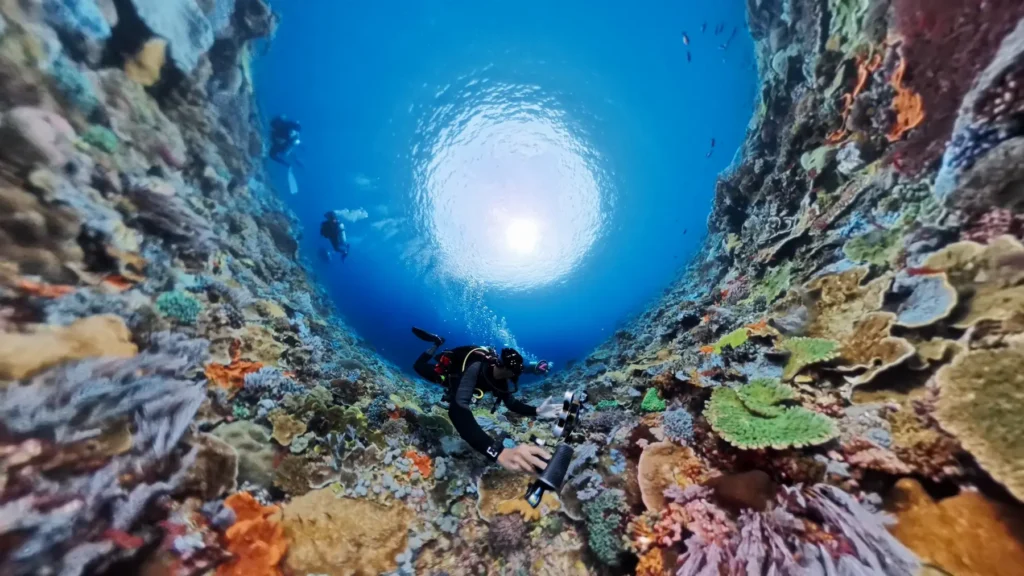
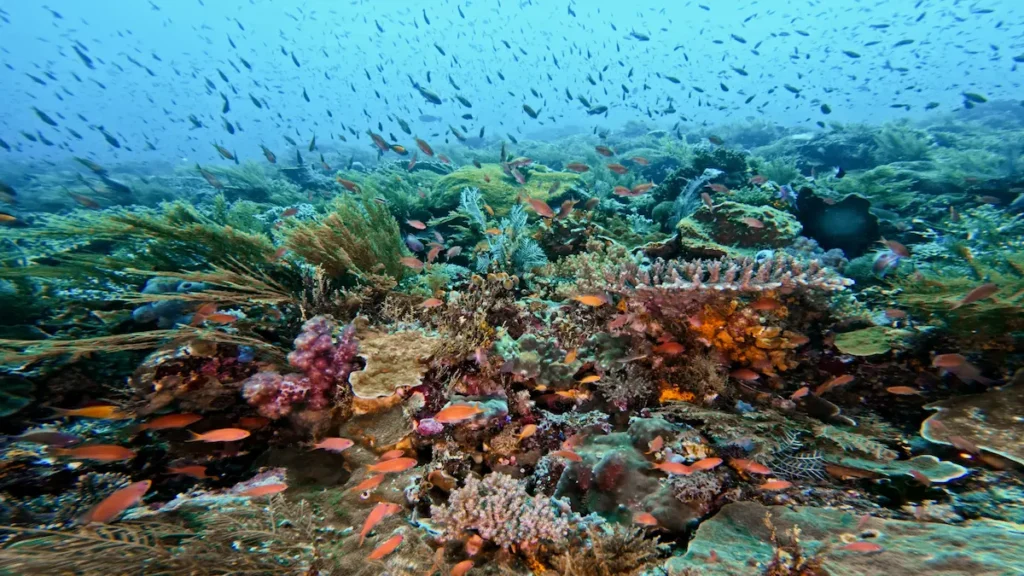
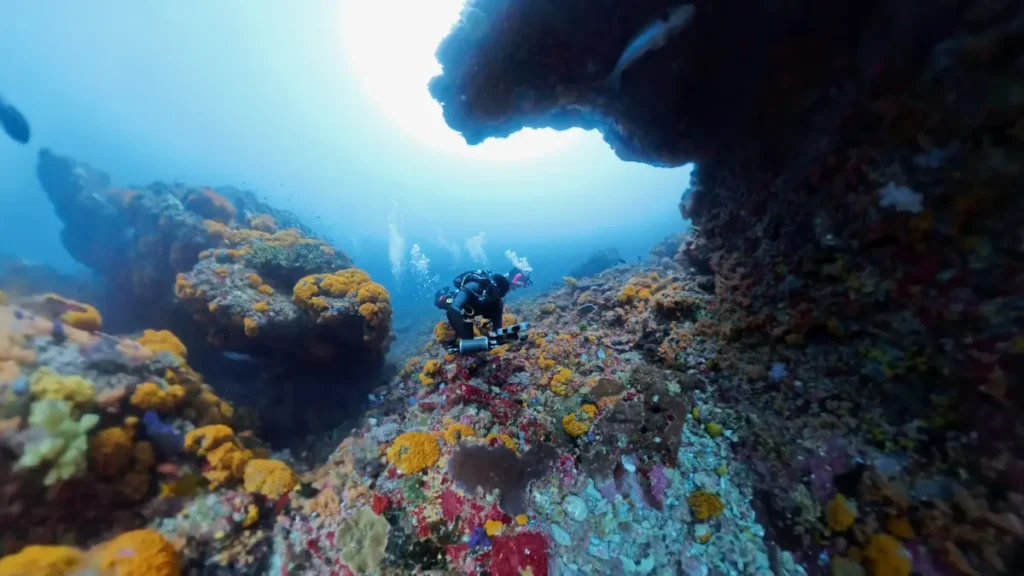
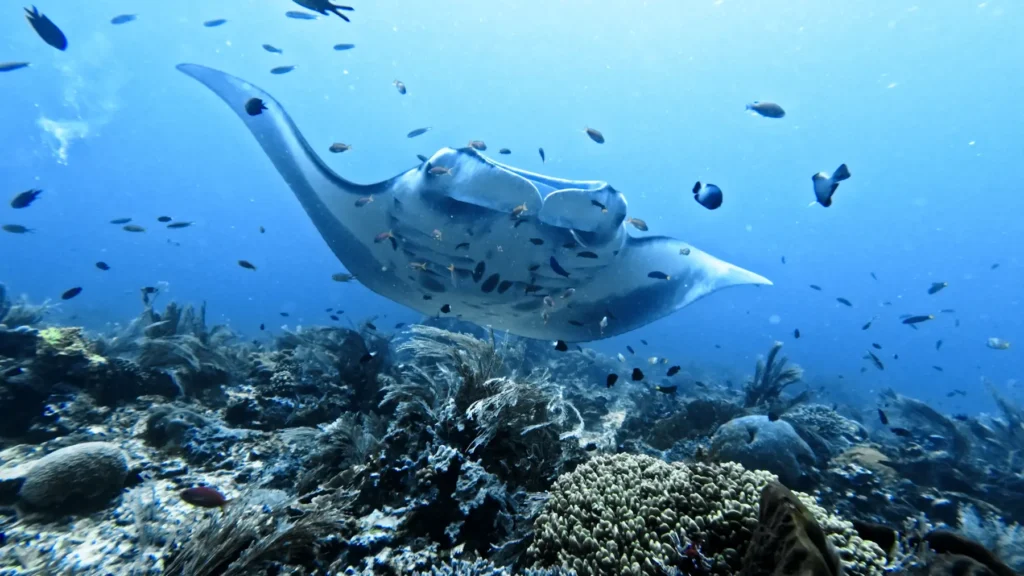

Few dive destinations in the world generate as much excitement as Komodo National Park.
Located between the islands of Sumbawa and Flores in eastern Indonesia, the park is famous not only for its iconic Komodo dragons but also for some of the most exhilarating scuba diving on the planet.
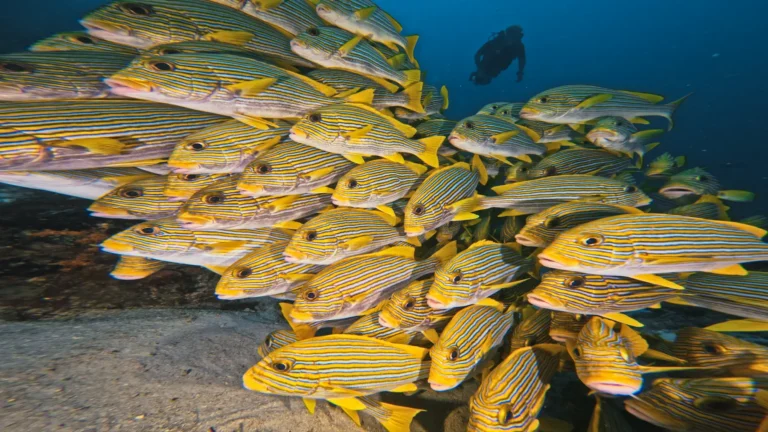
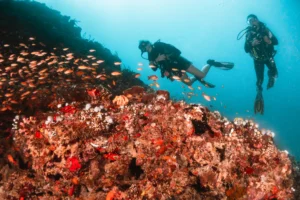
Strong nutrient-rich currents flow through the channels between the islands, creating an underwater ecosystem packed with life.
From manta rays and reef sharks to vast schools of fish and thriving coral reefs, Komodo offers a level of underwater drama that few destinations can match.
But diving here is not just about marine life.
Komodo is also known for powerful currents, challenging dive sites, and constantly changing underwater conditions, which means understanding the environment is essential before planning a trip.
Before we dive into the details, we’ve broken this down fully in our video — including real-world costs, logistics, and who each option is best for.
Category | Details |
Location | Komodo National Park, Indonesia |
Base | Labuan Bajo (Flores) |
Dive Style | Drift diving, reef, pinnacles |
Best For | Intermediate to advanced divers |
Key Marine Life | Manta rays, reef sharks, turtles, macro species |
Difficulty | Moderate to advanced (currents) |
Typical Depth | 10–30 metres |
Visibility | 10–30 metres |
Best Season | April – November |
Access | Day trips or liveaboards |
Komodo National Park lies within the Coral Triangle, the most biodiverse marine region on Earth.
The park includes three major islands:
along with dozens of smaller islands and reef systems.
Most divers explore Komodo from Labuan Bajo, a coastal town on the western tip of Flores which acts as the main gateway to the park.
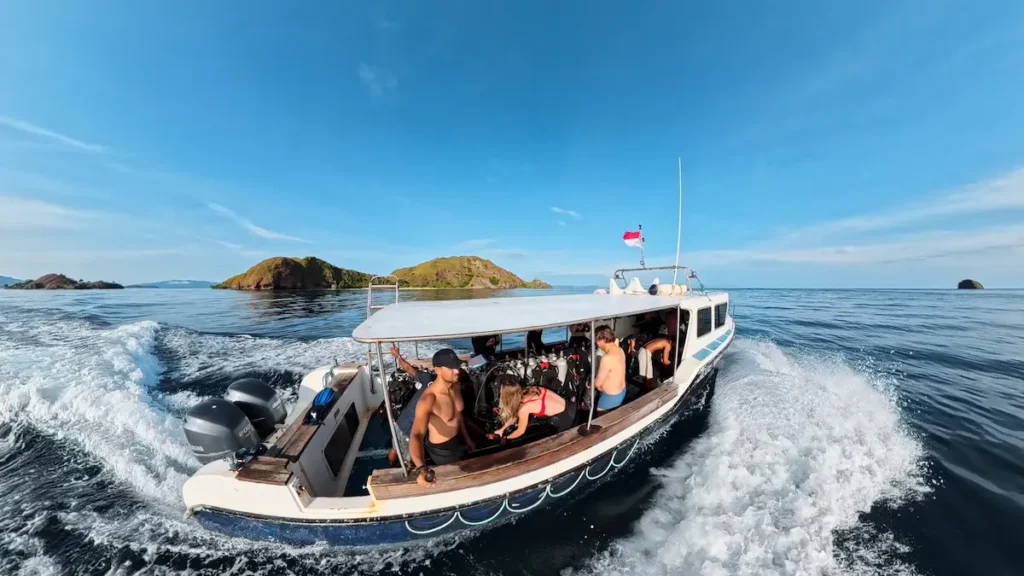
From here, dive boats travel into the national park each morning.
Most divers stay in Labuan Bajo and travel into the national park by boat each day.
A typical dive day includes:
• early morning departure (around 6:30–7:00am)
• 2–3 dives at different sites
• surface intervals on the boat
• return mid–late afternoon (speedboats tend to get back early-mid afternoon)
Because Komodo National Park is large, travel times vary depending on the dive sites and type of boat used.
What sets Komodo apart from many dive destinations is the interaction of powerful ocean currents and complex underwater topography.
These currents transport huge amounts of nutrients through the park’s channels, feeding plankton and attracting marine life across the food chain.
The result is extraordinary biodiversity.
Divers commonly encounter:
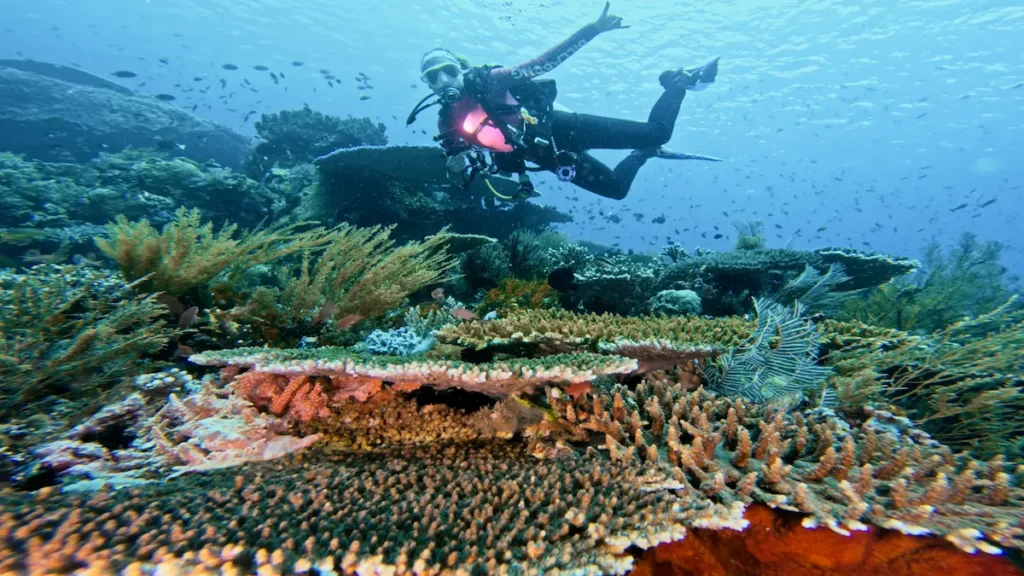
The reefs themselves are also remarkably healthy, with vibrant soft corals covering many of the park’s slopes and pinnacles.
This combination of nutrient-rich currents and complex reef systems is what makes diving Komodo National Park one of the best diving experiences in Indonesia.
While Komodo’s currents help support its incredible marine life, they also make the diving more demanding.
Water moving between the Pacific and Indian Oceans can create strong tidal flows through the park.
This means that many dives involve drift diving, where divers move along with the current while exploring reefs and pinnacles.
For experienced divers this is part of the excitement.
However, beginners should be aware that some sites require advanced diving skills and comfort in current.
Komodo’s marine biodiversity is one of its biggest attractions.
The region supports both large pelagic species and an extraordinary variety of reef life.
Some of the most iconic encounters include:
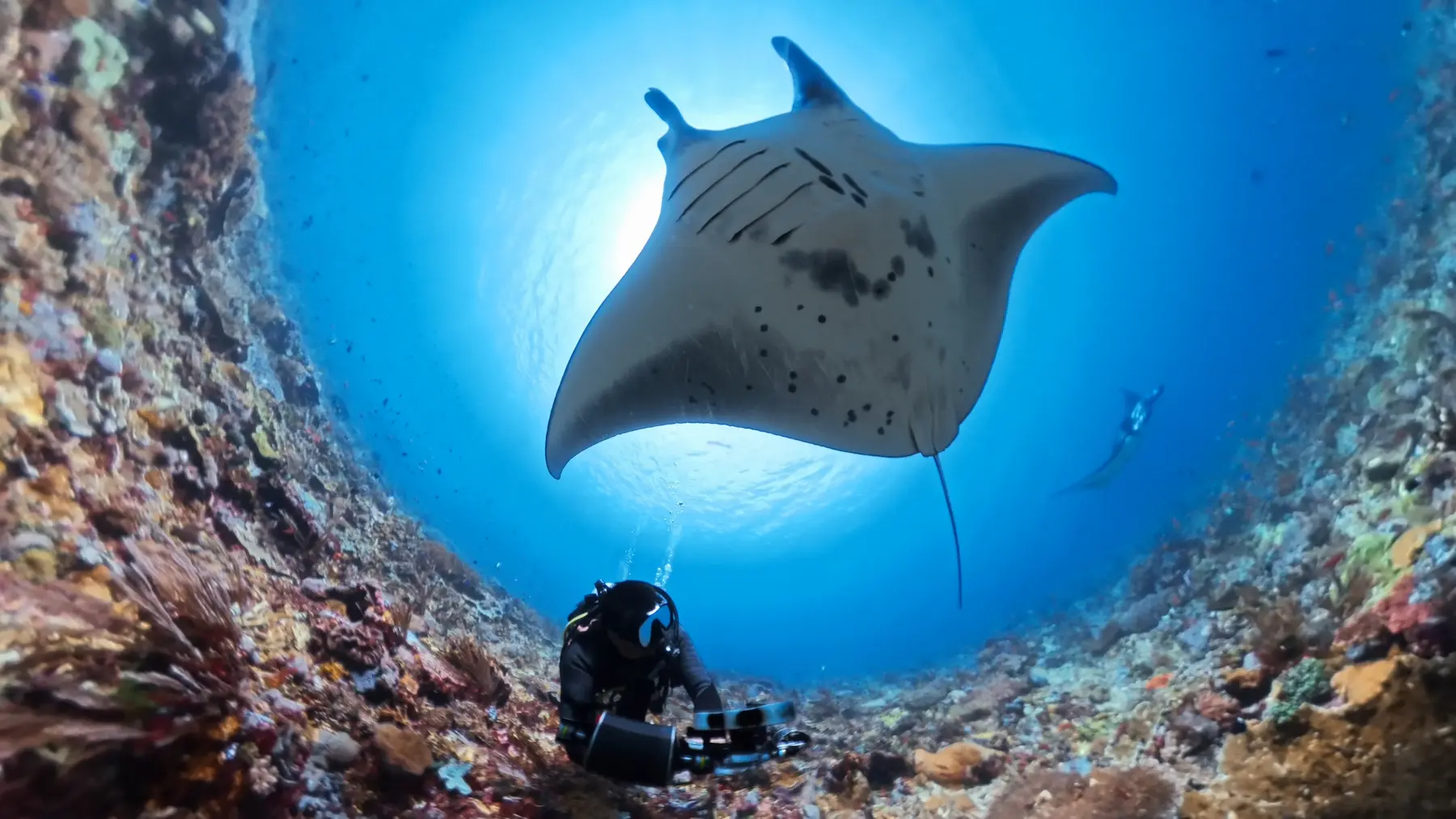
Komodo is one of the best places in Indonesia to see reef manta rays.
Sites like Manta Point and Karang Makassar attract mantas year-round.
Grey reef sharks and white tip reef sharks are frequently seen patrolling Komodo’s reefs.
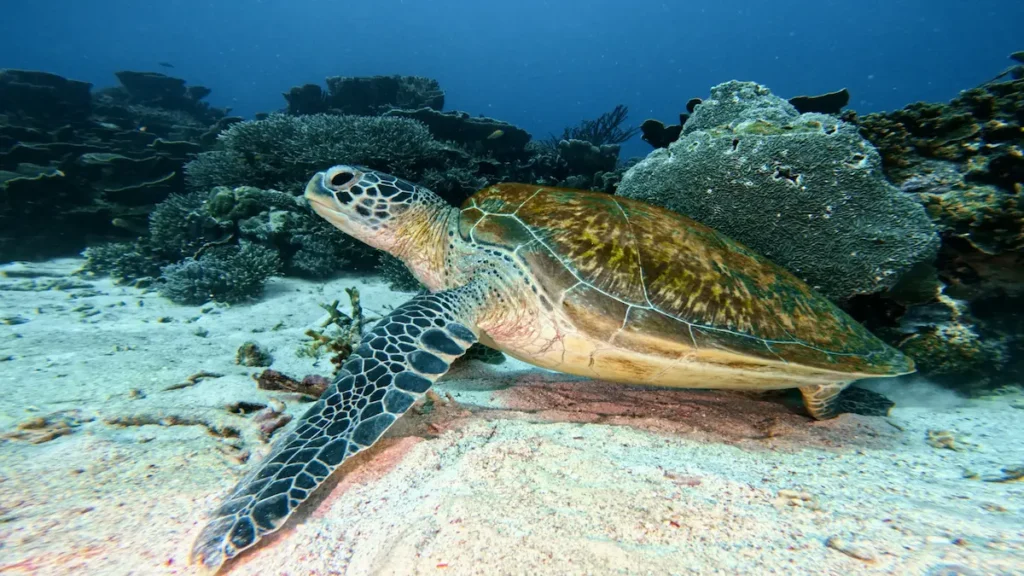
Green Turtles and Hawksbill Turtles are frequently seen cruising through, eating and sleeping on Komodo’s reefs.
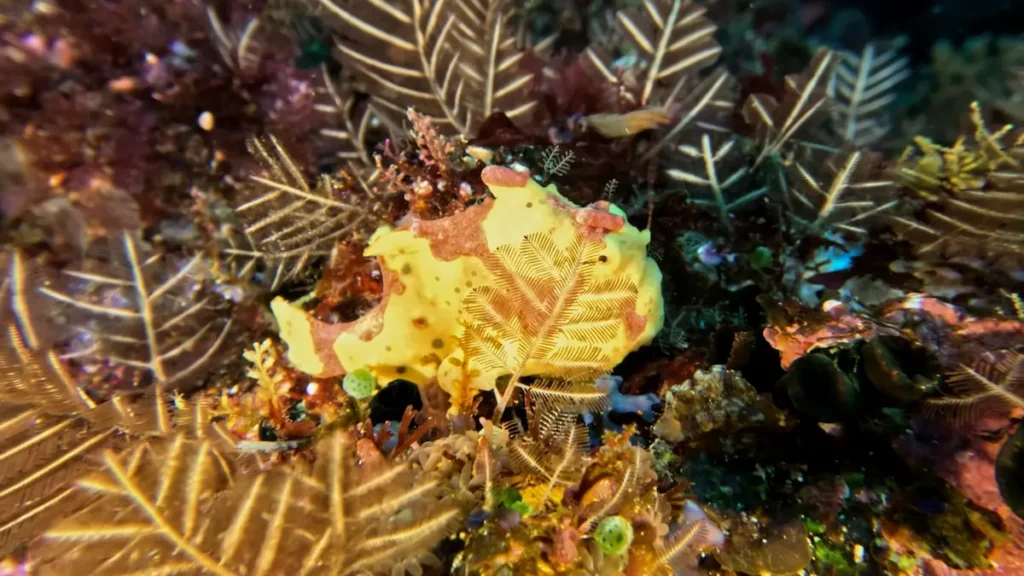
Yes — although Komodo is best known for large marine life, it also offers excellent macro diving.
Divers can find:
• pygmy seahorses
• nudibranchs
• frogfish
• shrimp and crustaceans
This makes Komodo one of the few destinations where you can experience both large pelagics and detailed macro diving on the same trip.
Divers visiting Komodo typically choose between two main ways of exploring the park: day trips from Labuan Bajo or multi-day liveaboard diving trips.
Each offers a very different experience — and choosing the right one can significantly impact what you see and how you experience Komodo.
Many divers base themselves in Labuan Bajo and join daily dive trips into the national park.
These trips usually include:
• two or three dives per day
• boat transport from Labuan Bajo
• lunch, snacks and drinks
Operators such as Blue Marlin Dive Komodo run fast speedboats that allow divers to reach sites quickly and return to town a couple of hours before the slower day boats.
Day trips are ideal for:
• travellers who want flexibility
• shorter stays in Komodo
• combining diving with island activities
Another option is joining slower dive boats or safari-style day trips that spend more time exploring the park.
Operators like Scuba Republic Komodo run trips that focus on a more relaxed pace, often prioritising comfort, longer surface intervals, and a more gradual introduction to Komodo’s diving conditions.
This approach can be particularly appealing for:
• newer divers
• travellers who prefer a slower pace
• those wanting a more social or guided experience
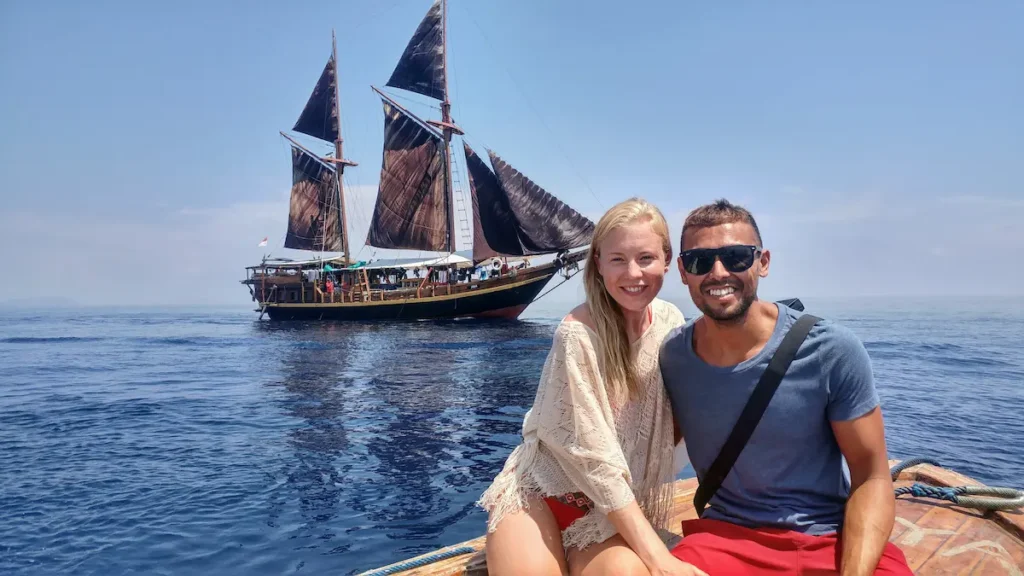
For divers looking to experience Komodo at its fullest, liveaboard diving is often considered the best option.
Instead of returning to Labuan Bajo each day, liveaboards stay inside the national park, allowing access to a much wider range of dive sites — including more remote areas in the north and south.
This brings several advantages:
• more dives across different regions of the park
• better timing around tides and currents
• fewer crowds at popular dive sites
• the ability to experience sunrise, sunset, and night dives
Liveaboards range from budget options to high-end luxury vessels, and typically run for 3–7 days.
For experienced divers in particular, this is often the most immersive way to explore Komodo.
Choosing how you dive Komodo can completely change your experience — from the sites you access to how you handle currents and crowds.
👉 We break this down in detail in our full guide:
→ Komodo Day Trip vs Liveaboard Diving (Complete Comparison)
Option | Best For | Pros | Cons |
Day Trips | Flexible travellers | Stay in Labuan Bajo, cheaper upfront | Long travel times, limited site access |
Speedboat Day Trips | Time-efficient diving | Faster access to sites, shorter days | Higher cost than slow boats |
Liveaboard | Full experience | Access entire park, best timing, more dives | Higher cost, less flexibility |
Komodo offers year-round diving, but conditions change depending on the season.
April to November is generally considered the best overall season, with calmer seas and excellent visibility.
December to March brings slightly rougher seas but can also bring excellent manta ray encounters.
Komodo National Park is widely regarded as one of the world’s most exciting dive destinations.
However, it is not always the easiest place to dive.
Many sites involve:
For experienced divers, this challenge is part of what makes Komodo so thrilling.
For beginners, it’s still possible to dive here — but choosing the right dive operator and sites becomes especially important.
While Komodo offers thrilling currents, manta encounters, and dynamic dive conditions, Raja Ampat is known for its biodiversity and calmer reef systems.
👉 Watch our full comparison here:
Komodo can be challenging due to strong currents, but beginners can still dive here by choosing calmer sites and experienced dive operators.
April to November offers the best overall conditions, with calmer seas and good visibility.
Yes — currents can be strong and unpredictable, which is why many sites are better suited to experienced divers.
Yes — Komodo is one of the best places in Indonesia to see reef manta rays year-round.
No — many dive sites are accessible via day trips, but liveaboards provide better access and timing.
If you’re planning a trip to Komodo in 2026, this gives you a real look at the conditions, currents, and marine life you can expect when diving here.
🎥 For more island adventures, honest travel guides, and dive destination breakdowns:
👉 Best Dive Sites in Komodo National Park
A breakdown of Komodo’s most famous dive sites and what makes each one unique.
👉 Komodo Day Trip vs Liveaboard Diving
Which option is best depending on your experience, budget, and travel style.
👉 Is Komodo Diving Safe? Understanding Currents
What to expect and how to stay safe in Komodo’s conditions.
👉 Beginner Diving in Komodo: Is It Possible?
How new divers can still experience Komodo safely.
For many divers, Lombok is still seen as a surf island. But beneath the waves off the island’s southern coastline lies something unexpected. An emerging macro diving hotspot. While South Lombok may not yet have the international reputation of places like Lembeh Strait or Tulamben, the reefs and sandy slopes near Kuta Lombok are home

Planning a trip to Thailand’s island paradise? Whether you’re a seasoned scuba diver, a snorkeling enthusiast, or a curious first-timer, Koh Lipe delivers one of the richest underwater experiences in Southeast Asia. Why Koh Lipe? Koh Lipe is a remote gem in Thailand’s Andaman Sea, part of Tarutao National Marine Park. Despite its small size,
Komodo National Park is one of the most exciting diving destinations on Earth. With dramatic reef structures, powerful currents, and extraordinary marine life, the park attracts divers from around the world hoping to experience its legendary underwater landscapes. But when planning a Komodo diving trip, one question comes up again and again: Do you need
By Aaron & Cassie — Underwater Filmmakers • PADI MSDT & UW Photo Specialist “It’s officially over…” — But is it really? When we returned to Raja Ampat in 2025, we expected magic.What we didn’t expect was this: 🔻 widespread table coral bleaching🔻 stressed reefs in the Dampier Strait🔻 visible decline since our last visit
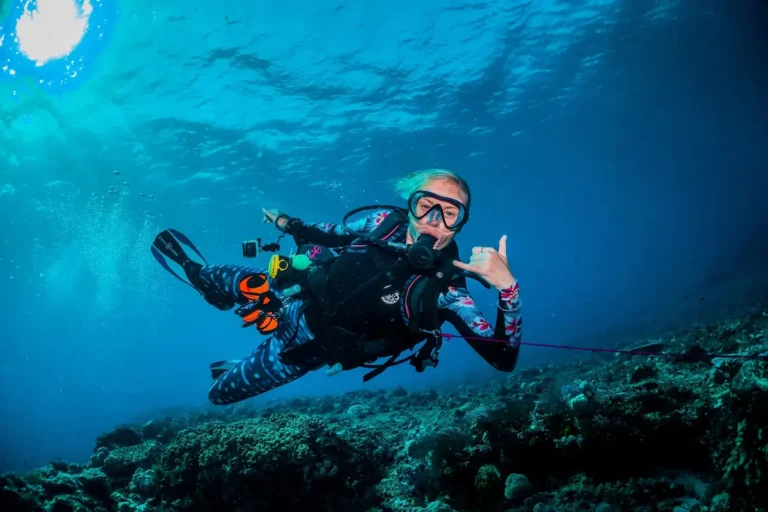
We’ve spent years diving in current-heavy destinations including Komodo National Park, Raja Ampat, the Maldives and South Lombok. While strong currents can feel intimidating at first, understanding how drift diving works is often the difference between a stressful dive and one of the most exhilarating underwater experiences you’ll ever have. For many divers, drift diving
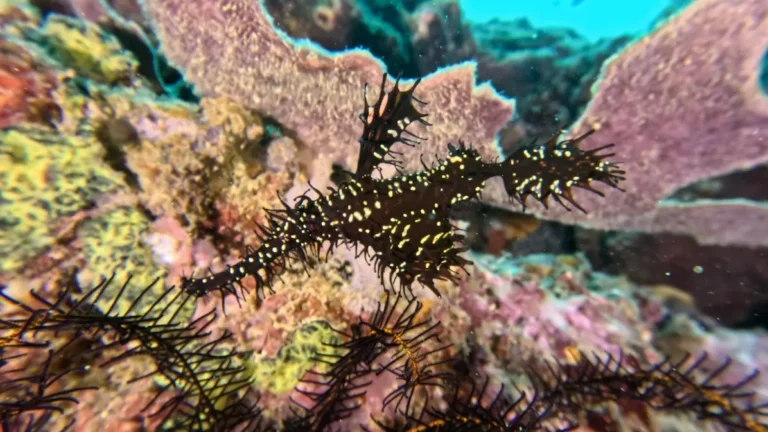
Macro diving in Lombok is quickly gaining attention as one of Indonesia’s most underrated underwater experiences. For many divers, Lombok is still seen as a surf island. But beneath the waves off the island’s southern coastline lies something unexpected. An emerging macro diving hotspot. While South Lombok may not yet have the international reputation of
We use cookies to improve your experience on our site. By using our site, you consent to cookies.
Manage your cookie preferences below:
Essential cookies enable basic functions and are necessary for the proper function of the website.
These cookies are needed for adding comments on this website.
Statistics cookies collect information anonymously. This information helps us understand how visitors use our website.
Google Analytics is a powerful tool that tracks and analyzes website traffic for informed marketing decisions.
Service URL: policies.google.com (opens in a new window)


One Comment