Macro marine life South Lombok nudibranch and critters
| | | |

Macro Diving in South Lombok: The Hidden Critters of Kuta Lombok
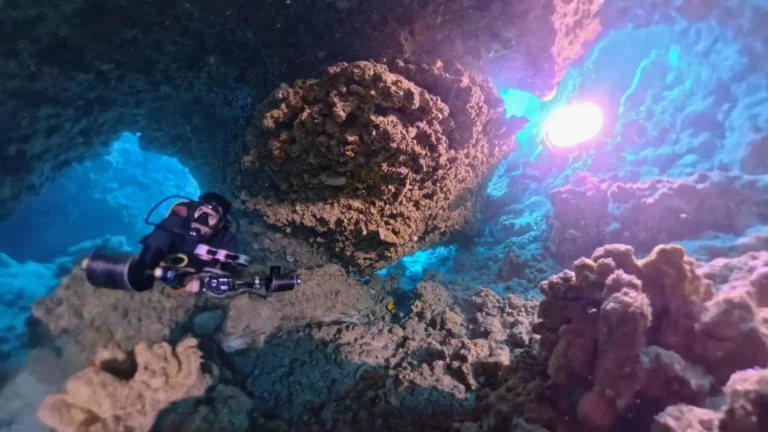
Macro diving in Lombok is quickly gaining attention as one of Indonesia’s most underrated underwater experiences.

For many divers, Lombok is still seen as a surf island.

But beneath the waves off the island’s southern coastline lies something unexpected.

An emerging macro diving hotspot.

While South Lombok may not yet have the international reputation of places like Lembeh Strait or Tulamben, the reefs and sandy slopes near Kuta Lombok are home to an impressive range of rare marine life.

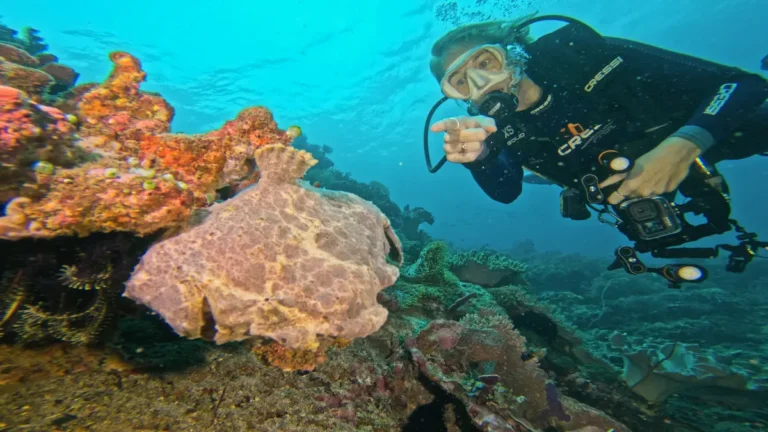
During a week of diving in the region with Blue Marlin Dive Kuta Lombok, we quickly realised that some of the most exciting discoveries were not the large fish or dramatic reef structures — but the tiny creatures hidden among the coral.

For macro photographers and critter hunters, South Lombok can deliver some surprising encounters.

Read our complete Kuta Lombok diving guide

Muck diving site Cumi Cumi Lombok sandy seabed macro life

Macro Diving in South Lombok: Quick Overview

Dive SiteTypeBest ForTypical Finds
Cumi CumiMuck / SandRare crittersFrogfish, nudibranchs, mimic octopus (rare)
Macro BaySand + ReefBalanced macroSeahorses, ghost pipefish
Halfway HouseReef / MacroMixed divingMacro species + reef fish

Where Are Lombok’s Macro Dive Sites Located?

Most of Lombok’s macro dive sites are located along the island’s south-east coastline, accessed via dive centres based in Kuta Lombok.

Divers typically begin their day in Kuta before travelling across the island to the boat departure point, followed by a short boat journey to the dive sites.

This means that while the diving is marketed as “Kuta Lombok diving,” the best macro sites are actually found further east — in areas where sandy seabeds and reef structures create ideal habitats for rare marine life.

👉 Explore our full guide to the best dive sites near Kuta Lombok

Why Macro Life Thrives in South Lombok

Macro diving hotspots often share similar characteristics.

They typically feature a mix of:

  • sandy seabeds
  • broken reef structures
  • coral rubble
  • rocky overhangs

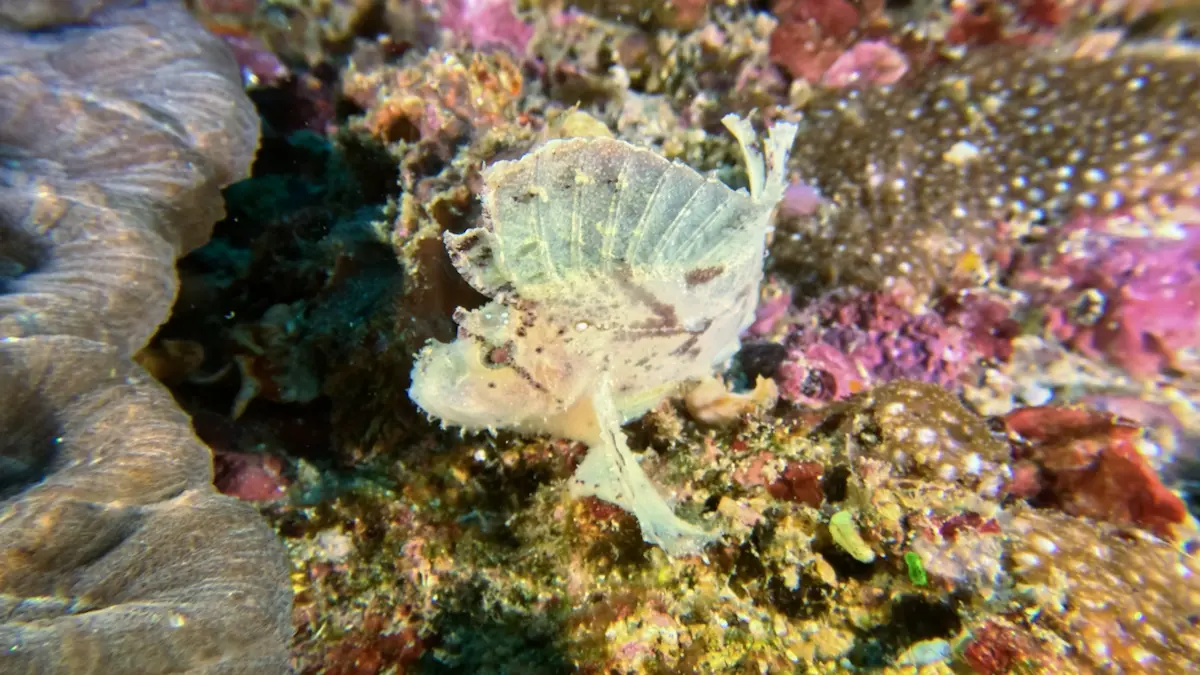
These environments create perfect habitats for small, camouflaged marine species.

Many of the dive sites along Lombok’s southeastern coastline contain exactly this combination of terrain.

Nutrient-rich currents moving through the region also help support a healthy food chain, which in turn attracts smaller creatures.

While the reefs themselves may appear rugged at first glance, the details come alive when you start looking closely.


Rare Marine Life Found While Diving Lombok

Across several dives in South Lombok we encountered a remarkable range of macro species.

Some of the highlights included:

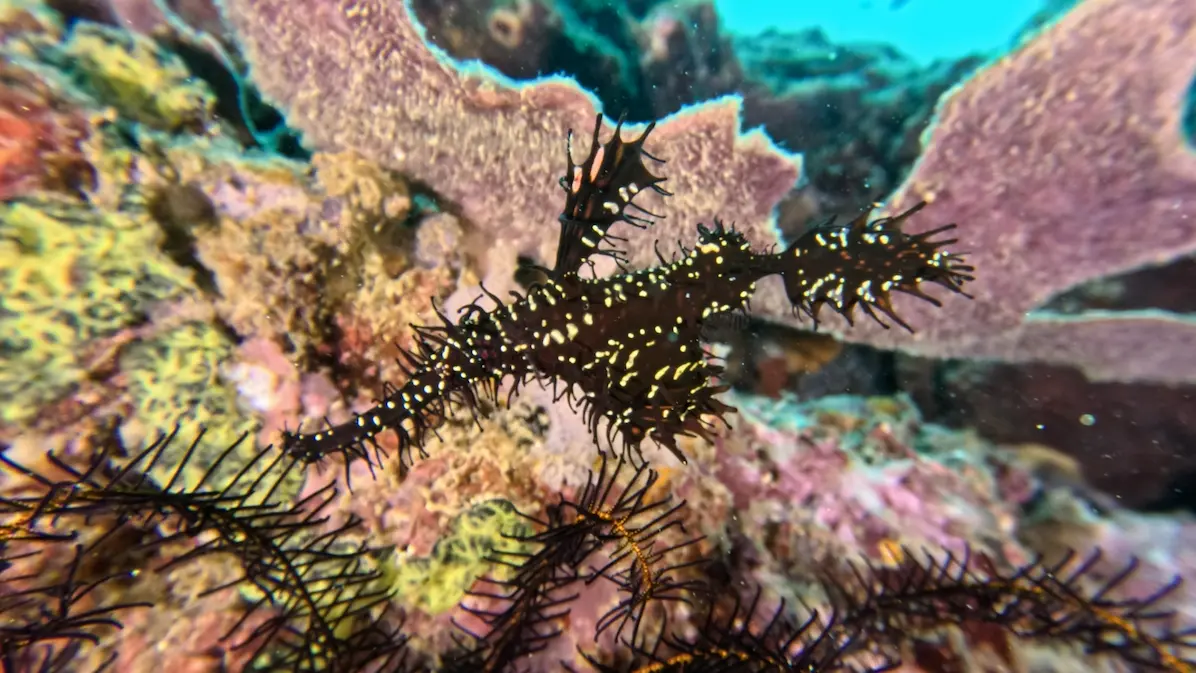
Ghost pipefish

Perfectly camouflaged among crinoids and soft coral, ghost pipefish are one of the most fascinating creatures to encounter underwater.

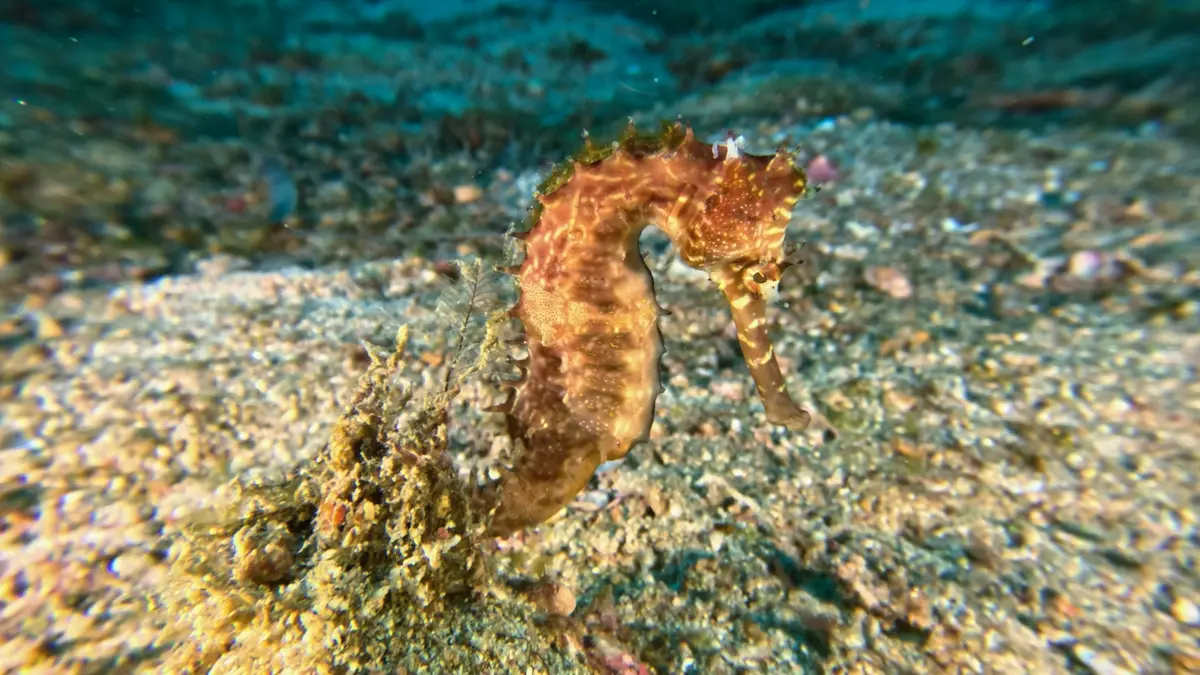
Seahorses

Tiny seahorses hiding among reef structures are another exciting find for macro divers.

Nudibranchs

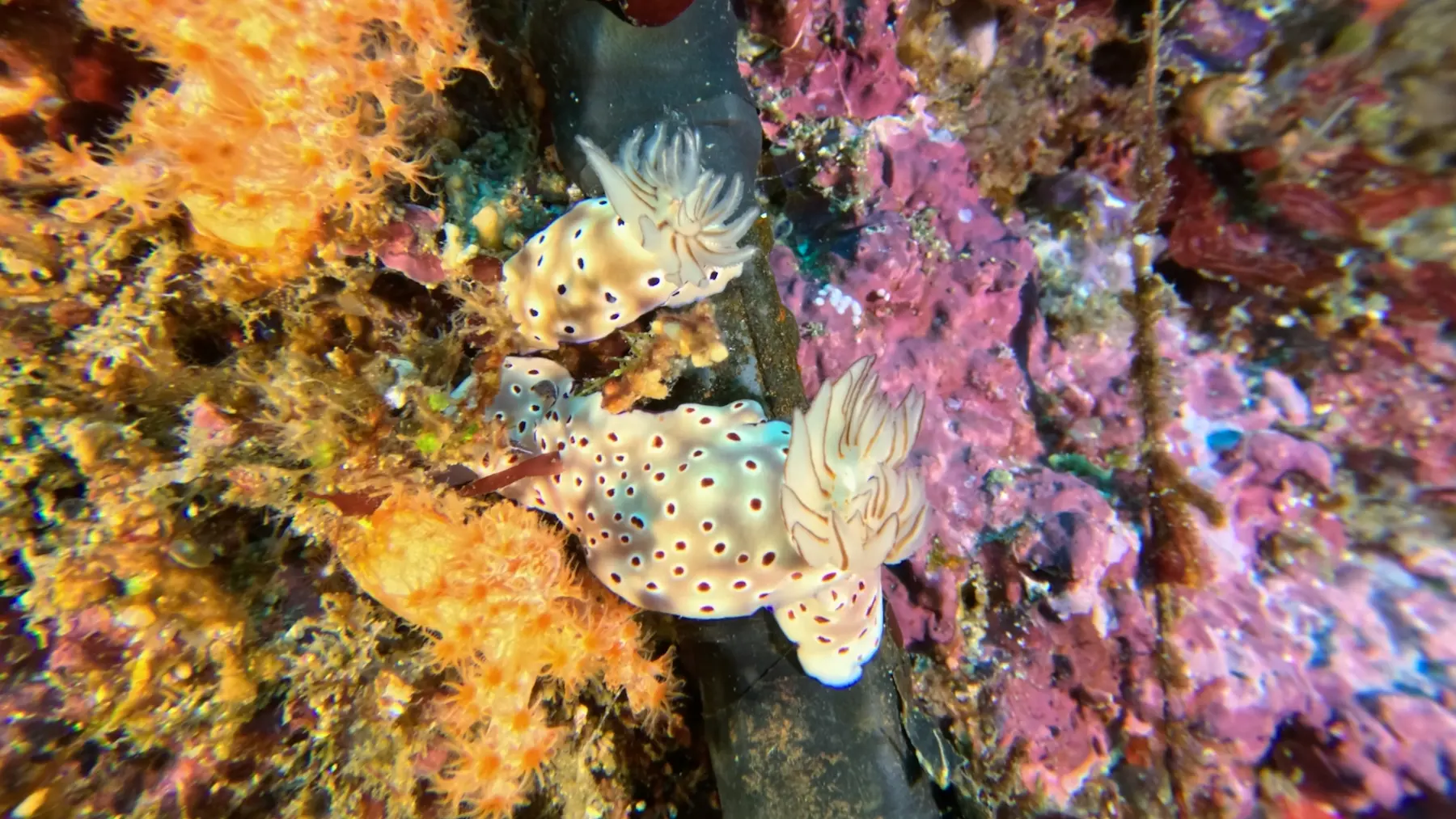
South Lombok hosts a wide variety of nudibranch species in different colours and shapes.

Porcelain crabs

Often hiding within anemones or coral formations, these delicate crabs can be spotted with careful observation.

Juvenile yellow boxfish

These tiny, bright yellow fish are one of the most photogenic creatures divers can encounter.

Cuttlefish

Curious and intelligent, cuttlefish are often seen hovering around reef structures.

See how Lombok compares to other macro destinations like Tulamben


The Role of a Great Dive Guide

Macro diving often depends on one crucial factor:

the skill of your dive guide.

Many of the most exciting marine life encounters happen because experienced guides know exactly where to look.

During our dives in South Lombok, our guide Imran consistently spotted creatures that would have been nearly impossible to find alone.

From hidden seahorses to rare nudibranchs, his ability to detect tiny movements or subtle shapes on the reef transformed every dive into a discovery.

This is one of the reasons diving with experienced local operators such as Blue Marlin Dive Kuta Lombok can dramatically improve the experience for macro enthusiasts.

Colourful nudibranch macro diving Lombok

Rare Cephalopods: Wunderpus and Mimic Octopus

South Lombok’s sandy dive sites occasionally host some of the ocean’s most extraordinary cephalopods.

Two species reported in the region include:

  • Wunderpus octopus
  • Mimic octopus

Both are masters of camouflage and behaviour.

The mimic octopus in particular is famous for its ability to imitate other marine animals such as lionfish or sea snakes.

Encounters with these species are never guaranteed, but the possibility adds another layer of excitement to diving here.


What Macro Diving in Lombok Actually Looks Like

Want to see what macro diving in Lombok really looks like? We captured our experience exploring these dive sites — from sandy slopes to hidden critters.
👉 Watch the full experience here:


Why Lombok Is Ideal for Macro Photography

One unexpected advantage of diving in South Lombok is the lack of crowds.

In many famous macro destinations, dive sites can become busy with photographers competing for space around a single critter.

Here, the situation is often the opposite.

On many dives you may have the site entirely to yourself.

This allows photographers to spend time carefully composing shots without feeling rushed.

Combined with the region’s unusual marine life, this makes Lombok an appealing destination for underwater photographers looking for new subjects.


Macro Diving in Lombok: An Underrated Opportunity

South Lombok may still be overshadowed by Indonesia’s better-known dive destinations. But for divers who appreciate the small details of the underwater world, that’s part of the appeal.

Hidden among the reefs and sandy slopes are some of the ocean’s most fascinating creatures. And with relatively few divers exploring the region, the sense of discovery remains very real.

For macro enthusiasts visiting Lombok, it’s well worth taking the time to slow down, look closely, and see what secrets the reef reveals.

Book your Kuta Lombok accommodation.
Book your Kuta Lombok activities.


Frequently Asked Questions About Macro Diving in Lombok

What is macro diving in Lombok?

Macro diving in Lombok focuses on spotting small and often well-camouflaged marine life such as nudibranchs, seahorses, frogfish, and ghost pipefish. These species are typically found in sandy seabeds, coral rubble, and reef structures along Lombok’s south-east coast.


Is Lombok good for macro diving?

Yes — South Lombok is emerging as an underrated macro diving destination. Sites such as Cumi Cumi and Macro Bay offer excellent opportunities to find rare critters, often with far fewer divers compared to well-known macro hotspots like Lembeh or Tulamben.


Where are the best macro dive sites in Lombok?

The best macro dive sites near Kuta Lombok are located along the island’s south-east coastline.

Key sites include:
• Cumi Cumi (muck diving)
• Macro Bay (sand and reef mix)
• Halfway House (reef with macro life)

These sites are typically accessed via dive centres based in Kuta Lombok.


Can beginners do macro diving in Lombok?

Yes — many macro dive sites in Lombok have relatively calm conditions and shallow depths, making them suitable for beginner divers. However, good buoyancy control and slow diving techniques are important for spotting marine life and avoiding damage to the environment.


What marine life can you see while macro diving in Lombok?

Macro divers in Lombok commonly encounter:
• nudibranchs
• seahorses
• ghost pipefish
• frogfish
• cuttlefish
• porcelain crabs
• juvenile reef fish

Rare sightings such as mimic octopus or wunderpus are occasionally reported.


Do you need a guide for macro diving in Lombok?

Yes — macro diving is significantly improved with an experienced guide. Many of the creatures are extremely well camouflaged, and local guides are trained to spot subtle movements and patterns that most divers would miss.


Is muck diving available in Lombok?

Yes — Lombok offers muck diving at sites such as Cumi Cumi, where sandy seabeds and coral rubble provide ideal habitat for rare and unusual marine life.


When is the best time for macro diving in Lombok?

Macro diving in Lombok is possible year-round, but the best conditions are typically found during the dry season from April to October, when visibility is higher and seas are calmer.


Is Lombok better than Bali for macro diving?

Lombok offers fewer crowds and a more exploratory feel compared to Bali’s established macro destinations like Tulamben. While Bali may have more consistent sightings, Lombok provides a quieter and often more rewarding experience for divers looking to discover new sites.

Similar Posts

Leave a Reply

Your email address will not be published. Required fields are marked *