
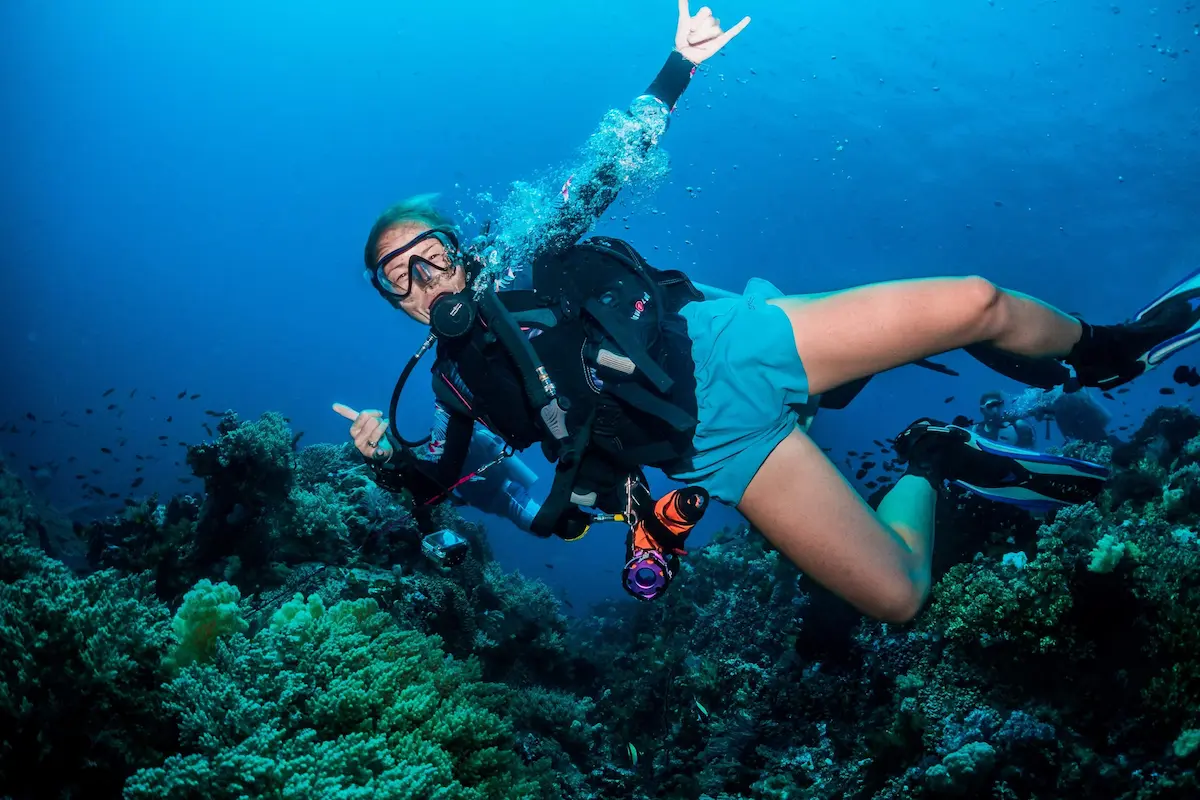
7 Cheap Scuba Safety Items Every Diver Should Own
Small, overlooked dive safety tools that could save your life underwater — recommended from over 8 years working professionally in the scuba industry.
Most divers spend hours researching expensive dive computers, BCDs and cameras…
But some of the most important pieces of scuba safety equipment are actually the smallest, cheapest and easiest items to carry.
As dive professionals who’ve worked in places like the Maldives, Komodo and Raja Ampat, we’ve seen firsthand how simple pieces of gear can completely change the outcome of an emergency underwater.
Many of these items cost less than a dive trip meal — yet could genuinely save your life one day.
Here are 7 cheap and overlooked scuba safety items every diver should consider carrying.
Why Trust Our Recommendations?
Over the past 8 years working professionally in the dive industry, we’ve guided hundreds of divers through strong currents, remote destinations, liveaboards, equalisation problems and emergency situations.
Every item on this page is either personally used, field-tested, or recommended based on real-world diving experience across Thailand, Indonesia, Raja Ampat and The Maldives.
This article may contain affiliate links. We may earn a commission from qualifying purchases at no additional cost to you. T&Cs apply for discount codes.
Scuba Safety Gear Overview
| Item | Approx Cost | Main Purpose |
|---|---|---|
| Dive Knife | $30–50 | Cutting entanglements |
| Whistle | $10–15 | Surface signalling |
| Tank Banger | $10–20 | Underwater signalling |
| SMB + Reel | $50–100 | Surface visibility |
| Torch | $30–100 | Night/surface signalling |
| Mirror | $10–15 | Long-distance signalling |
| Spare Mask | $20–40 | Emergency replacement |
Check out our full recommended scuba saftey gear list now.
Jump To Gear Recommendations
🛒 Shop Our Dive Safety Picks
Click the links below to jump to the item
.• Dive Knives
• Dive Whistles
• Underwater Signalling Devices
• SMB & Reel Setups
• Dive Torches
• Signal Mirrors
• Spare Masks
• Marine Rescue GPS Devices
• Dive Insurance
Watch: 7 Overlooked Dive Safety Items Every Diver Should Carry
We break down every item in detail — including when and why we personally carry them while diving in remote destinations around the world.
🌊 Love scuba diving, marine life and underwater adventure travel?
On our YouTube channel we share:
- honest dive destination guides
- underwater cinematography
- dive safety discussions
- marine conservation conversations
- and some of the best diving locations in the world
Why Every Diver Should Carry a Dive Knife
1. dive knife
One of the most overlooked scuba safety items is a simple dive knife.
And no — it’s not for defending yourself against sharks.
Underwater environments can contain all kinds of entanglement hazards:
- fishing line
- ghost nets
- kelp
- rope
- abandoned equipment
When combined with currents, stress and limited bottom time, a simple entanglement can escalate quickly.
A small dive knife or cutting tool gives divers the ability to free themselves safely if needed.
We rarely use ours — but we never dive without one.
Especially when diving:
- wrecks
- current-heavy environments
- remote destinations
- or areas with fishing activity
👉 If you’re planning advanced drift diving, read our full guide:
Is Diving in the Maldives Dangerous? What Divers Should Know Before Diving Advanced Destinations
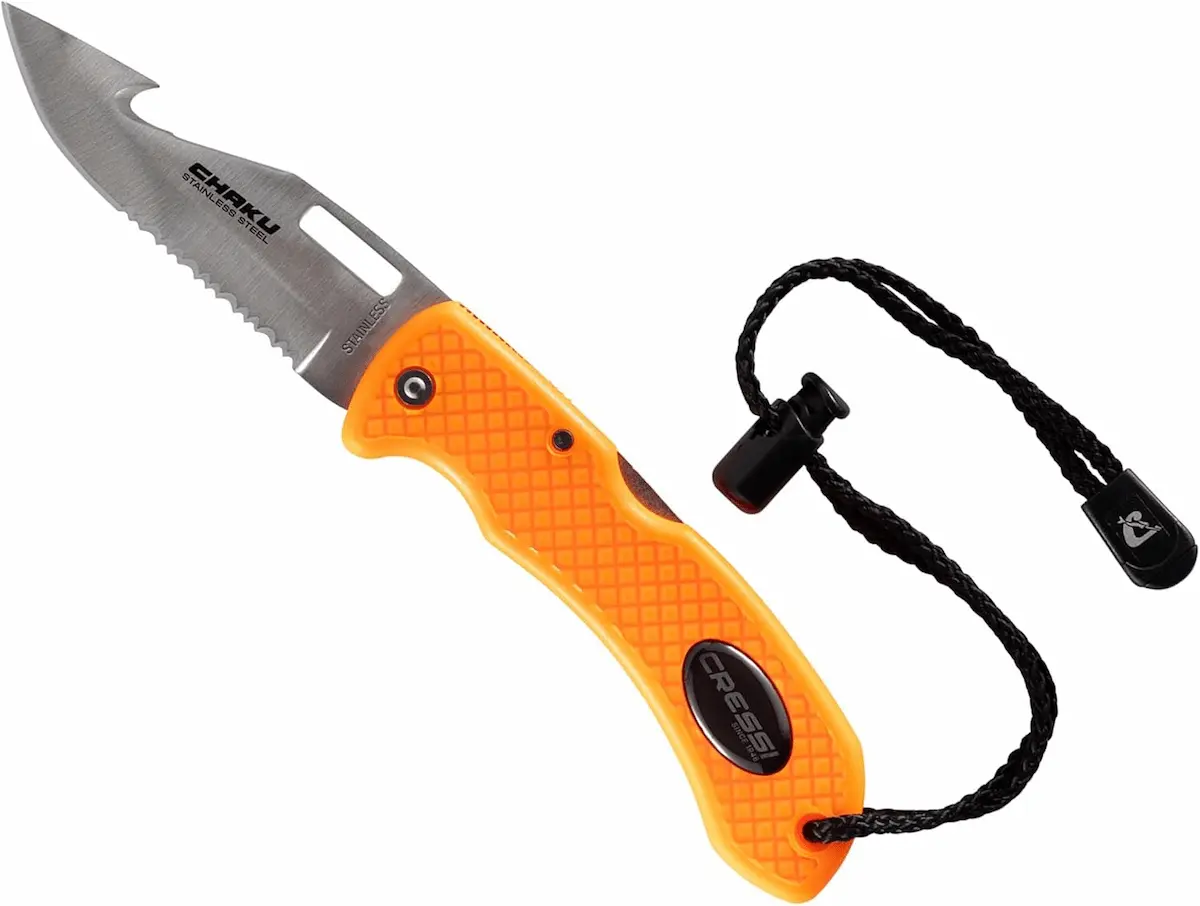
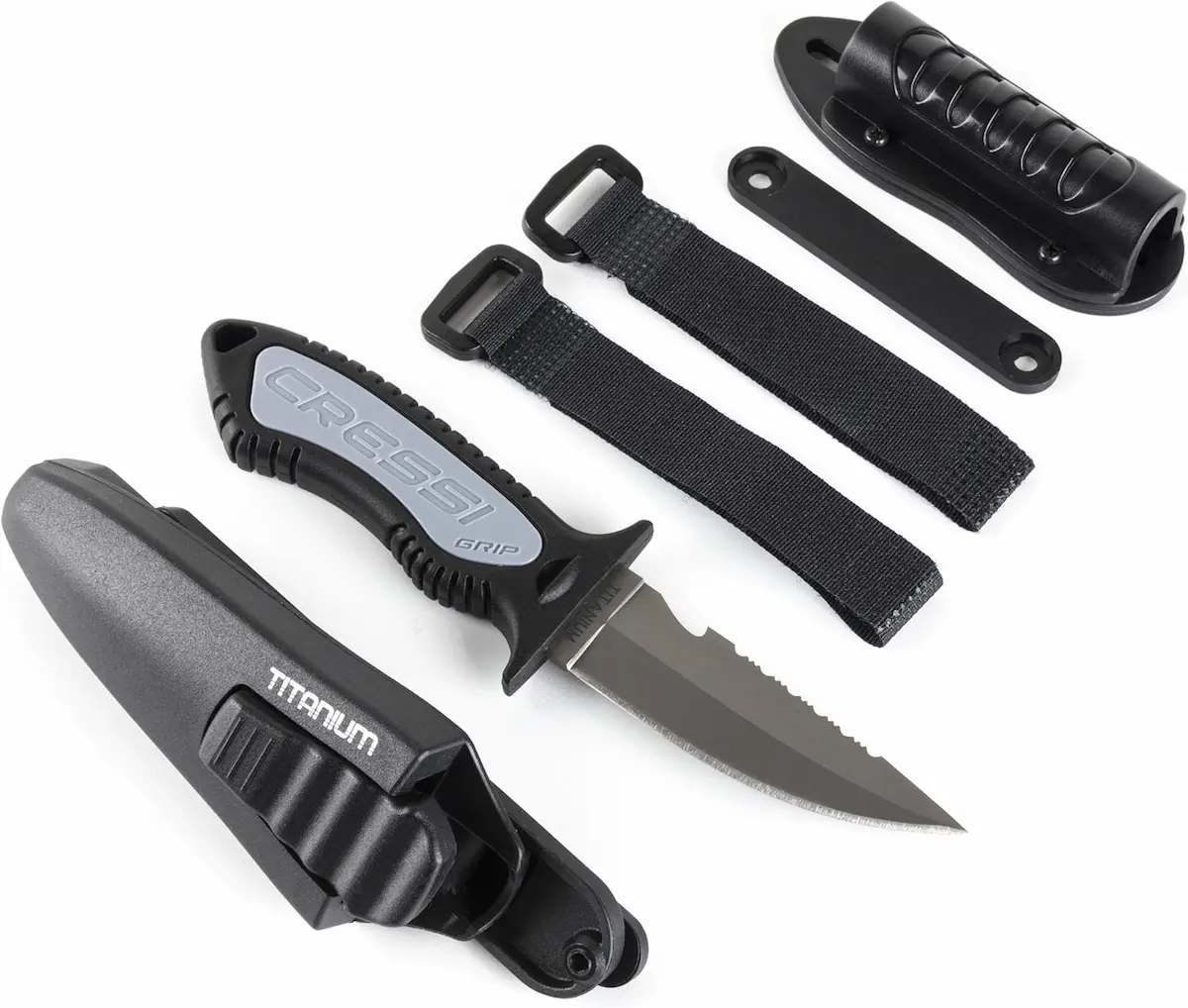
Recommended Dive Knives
Budget Option
Premium Option
Why a Dive Whistle Could Save Your Life
2. DIVE WHISTLE
A whistle might be the cheapest and smallest item on this list…
…but it’s also one of the most important.
Divers can become separated from boats for many reasons:
- strong currents
- navigation mistakes
- storms
- poor visibility
- boat engine problems
And once you’re floating in open ocean swell, you may be far harder to spot than you realise.
A loud whistle allows divers to create an audible distress signal with minimal effort — even when exhausted.
They’re incredibly cheap, take up almost no space and should ideally be attached somewhere accessible on every BCD.
Recommended Dive Whistle

Why Underwater Signalling Devices Matter
3. UNDERWATER SIGNALLING DEVICE
Ever tried shouting through your regulator underwater?
Exactly.
Being able to get your buddy or guide’s attention underwater can be extremely important in situations involving:
- down currents
- boat traffic
- separation
- low visibility
- equipment issues
This could be:
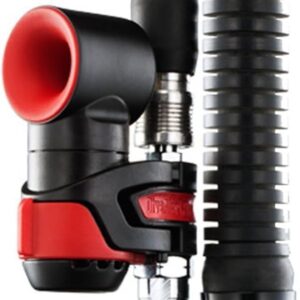
- a simple metal tank banger
- a clip
- or a dedicated signalling device attached to your inflator hose
The key is:
your buddy or guide should know what sound to listen for before entering the water.
And yes…
use it responsibly.
Nobody wants to hear constant tank banging throughout an entire dive.
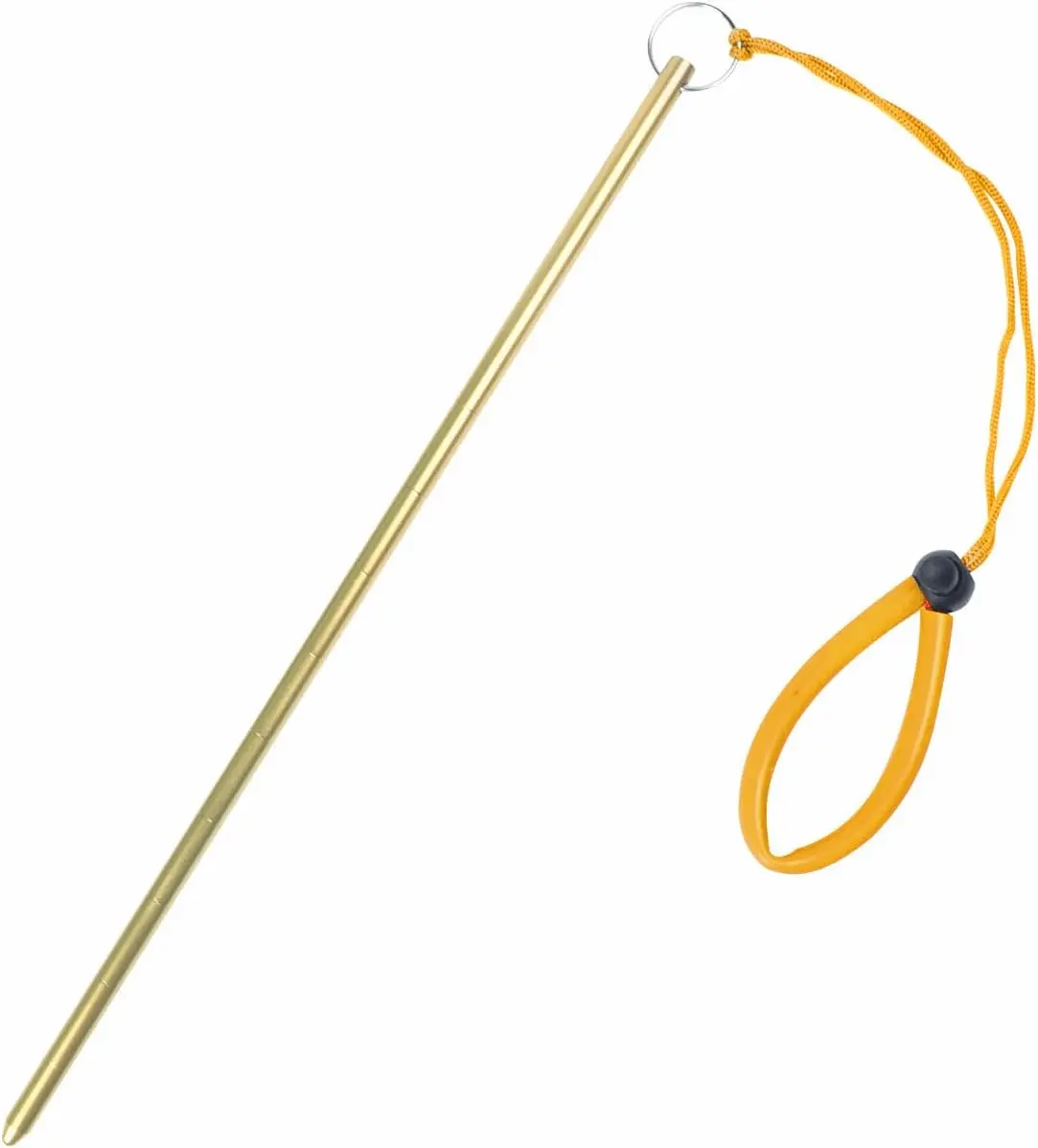
Recommended Underwater Signalling Devices
Budget Options
Premium Option
Why SMBs Are Essential for Drift Diving
4. Surface Marker Buoy
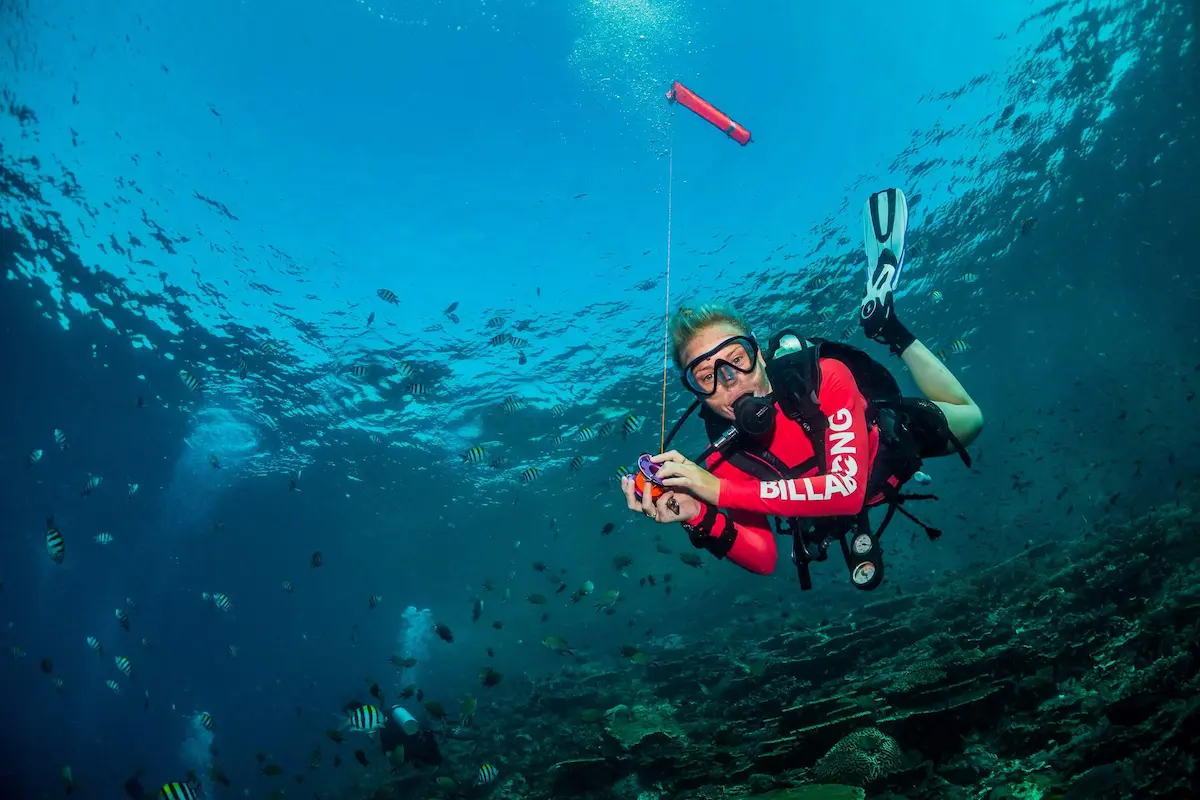
If there’s one item on this list we consider absolutely essential, it’s an SMB and reel setup.
In some countries, divers are legally required to carry one.
And honestly?
We believe every diver should know how to use one properly regardless.
A surface marker buoy allows divers to:
- signal their position at the surface
- improve visibility to boats
- assist pickup during drift dives
- reduce separation risks
We personally never surface without deploying one.
Especially in places with:
- boat traffic
- strong currents
- blue water ascents
- liveaboard diving
- remote conditions
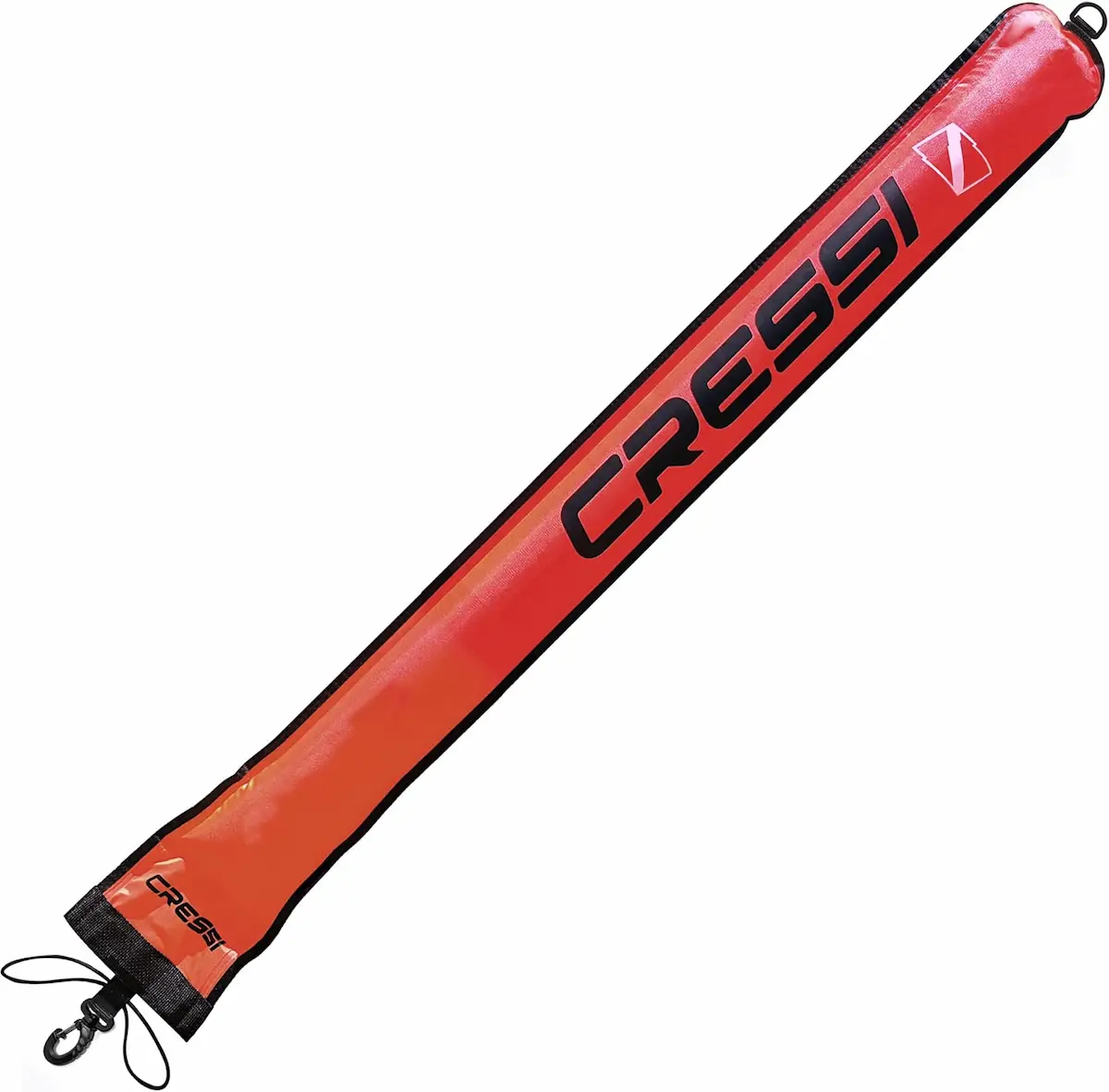
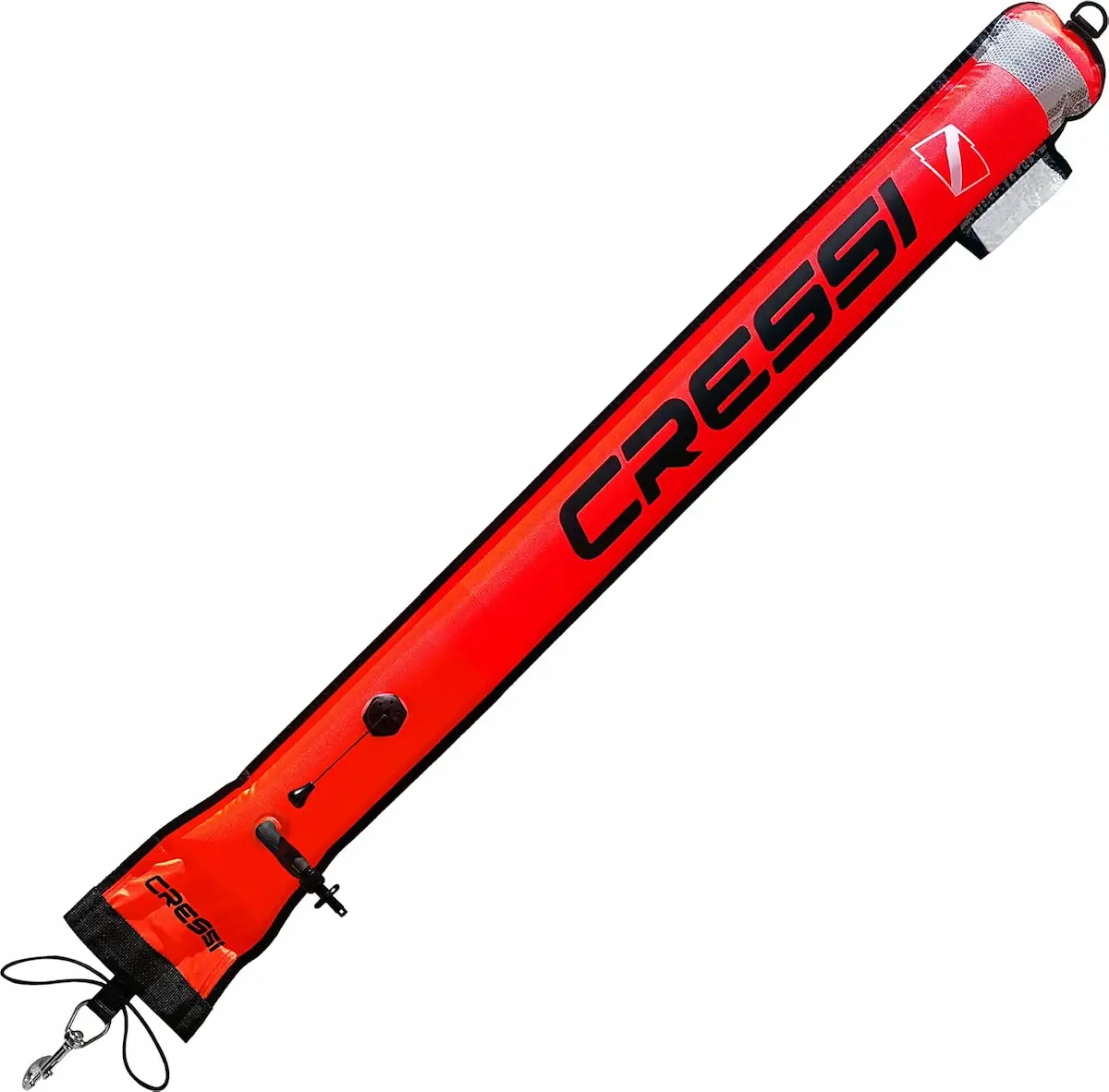
We prefer larger closed-bottom SMBs because they remain inflated more reliably in rough surface conditions.
But it’s important to understand:
deploying an SMB is a skill.
Poor buoyancy control combined with a reel can become hazardous very quickly.
We strongly recommend practising SMB deployment in confined water or under instructor supervision before relying on it in open water.
👉 Read next:
How Drift Diving Works & Why Currents Catch Divers Out
Recommended Dive SMBs
Budget Option
Premium Option
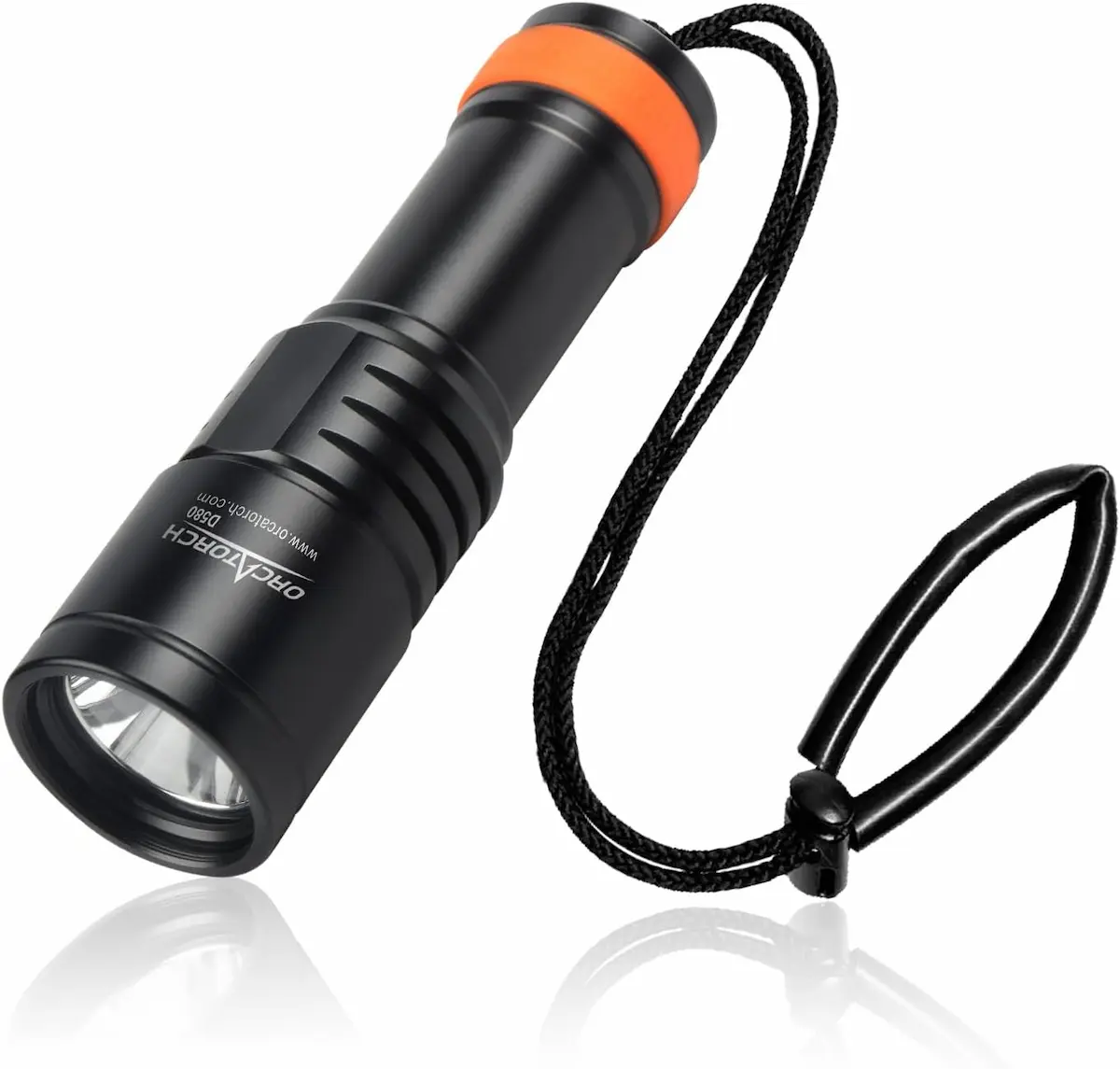
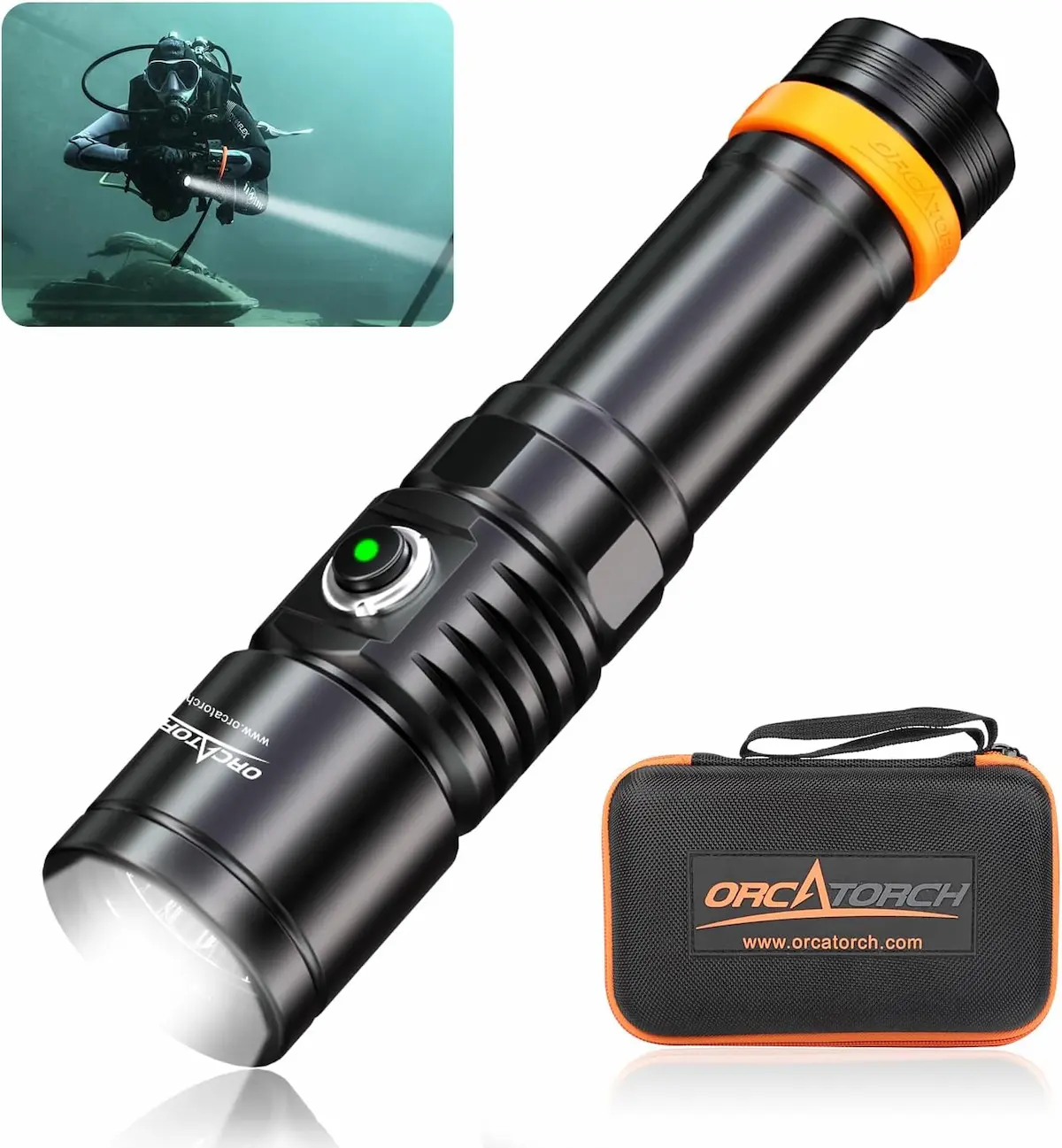
Why Every Diver Should Carry a Torch
5. Dive Torch
Many divers think torches are only useful for night dives.
They’re not.
When we worked professionally in the Maldives, carrying a torch wasn’t optional — it was a legal requirement.
If divers become separated from a boat late in the day or surface after sunset, a torch can become one of the most effective signalling tools available.
Modern dive torches are:
- compact
- lightweight
- extremely bright
- easy to fit in a BCD pocket
We personally love compact lights from OrcaTorch because they’re reliable, powerful and ideal for travel.
And if possible?
Carry a spare.
Recommended Dive Torches
Budget Option
Premium Option
Why Signal Mirrors Are So Underrated
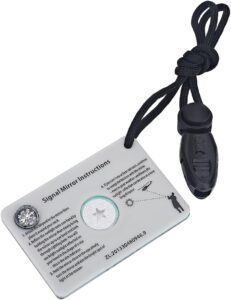
6. Signalling Mirror
This may be one of the simplest and most underrated scuba safety items on this list.
A small signal mirror can reflect sunlight over enormous distances — making it possible to attract the attention of:
- boats
- planes
- search aircraft
Far beyond the range of:
- whistles
- shouting
- or SMB visibility
Unlike electronic devices, mirrors:
- don’t rely on batteries
- don’t fail underwater
- don’t require charging
And they cost next to nothing.
For such a tiny item, the potential value in a real emergency is enormous.
Recommended Dive Signal Mirror
Why Carrying a Spare Mask Matters
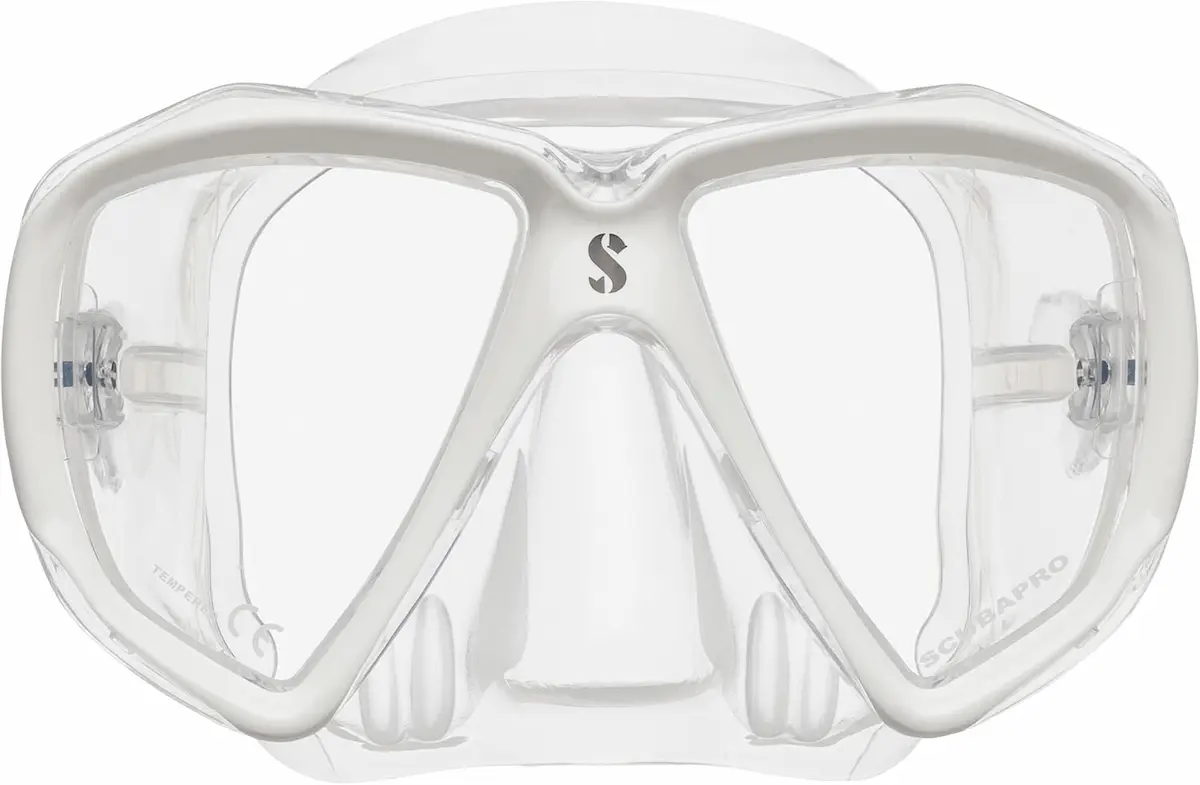
7. Spare Mask
Most divers own one mask.
But very few travel with a spare.
We’ve personally dived in conditions where currents were strong enough to rip masks from divers’ faces.
Without a backup, that situation can become extremely stressful — especially in current-heavy environments.
A spare mask:
- takes up little space
- costs relatively little
- and can instantly turn an emergency into a minor inconvenience
It doesn’t need to be expensive.
It just needs to work.
Buying your first dive mask and want to make sure you get right right fit?
Read this next: How to Choose and Fit a Snorkel or Dive Mask (Pro Instructor Tips)
Recommended Dive Masks
Budget Option
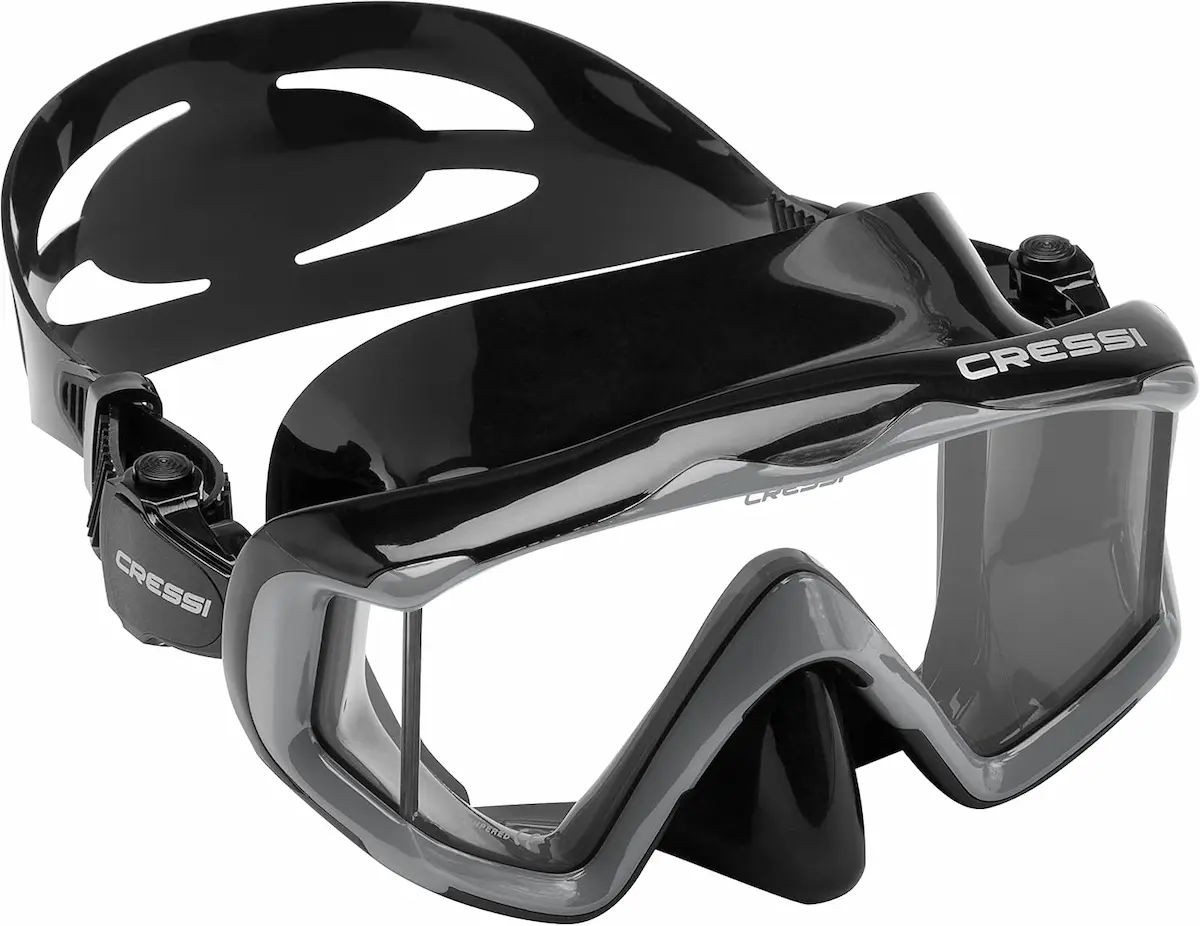
Premium Option
Why Safety Gear Matters Even More in Remote Dive Destinations
Remote dive destinations often come with:
- stronger currents
- fewer nearby emergency services
- boat diving
- long travel distances
- limited hyperbaric access
Places like:
- Komodo
- Raja Ampat
- The Maldives
…are some of the most spectacular dive destinations on Earth.
But they also require divers to take personal responsibility seriously.
That’s why we increasingly travel with:
- SMBs
- whistles
- signalling devices
- torches
- and backup equipment
Especially when diving from liveaboards or in remote marine parks.
👉 Planning a remote dive trip?
Read our guides:
Bonus Item: Nautilus Lifeline
This didn’t make the “cheap” list…
But it deserves mentioning.
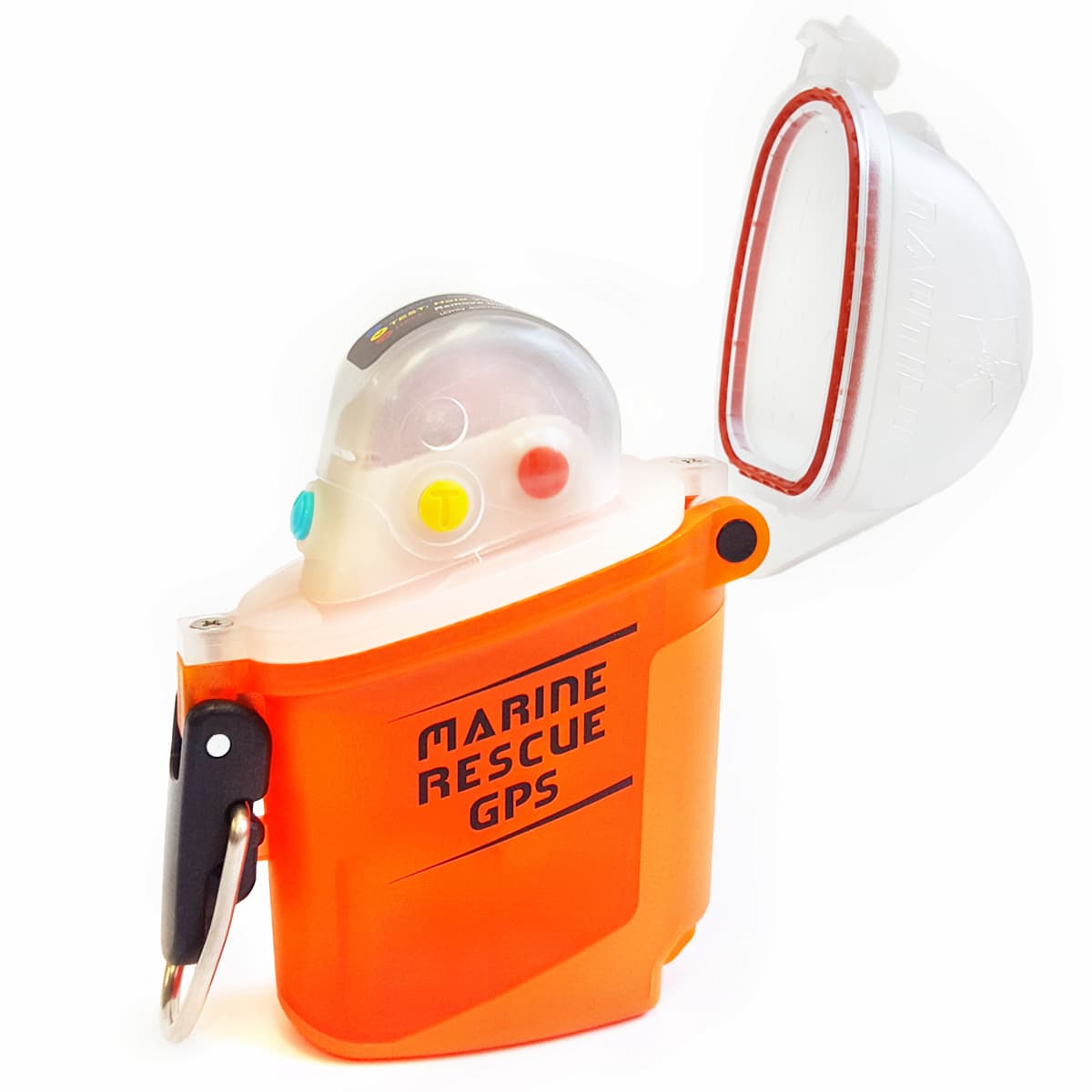
The Nautilus Lifeline is a marine rescue GPS device that sends distress signals and GPS coordinates directly to nearby vessels.
Many professional guides and liveaboard crew worldwide are now required to carry them.
They cost significantly more than the other items listed here — but compared to the cost of a serious emergency at sea, they’re relatively inexpensive.
Especially in remote current-heavy destinations.
👉 Recommended Marine Rescue GPS: Nautlius Lifeline GPS
Get 10% off with our discount code: aaronandcassie
T&Cs apply - 10% discount applicable sitewide. Please note that if a product is already discounted, the total discount on that item cannot exceed 10%, meaning no additional discounts will apply.
The Most Important Dive Safety Tool Costs Nothing
The most important safety tool any diver has isn’t attached to their BCD.
It’s:
- self-awareness
- honesty
- calm decision-making
- and respect for the ocean
You can carry thousands of dollars worth of safety equipment…
But if you don’t have the confidence to:
- call a dive
- admit discomfort
- say no to conditions beyond your comfort level
- or communicate openly with your guide
…the equipment becomes far less useful.
The best kind of safety often lies in a decision, not an add-on.
Dive Insurance Matters More Than Most Divers Realise
Many divers underestimate how expensive dive emergencies can become.
Especially in remote locations where:
- evacuation
- recompression treatment
- speedboat transfers
- or international medical care
…may all be required.
We personally recommend:
- DAN for dedicated dive accident insurance
- SafetyWing for broader travel medical insurance while travelling internationally
👉 Recommended Dive Insurance:
DAN (Diver’s Alert Network)
👉 Recommended Travel Insurance:
SAFETYWING
Join our Newsletter
Get our free dive travel checklists, packing guides and underwater safety resources sent straight to your inbox.
Planning a Dive Trip?
Before booking accommodation or liveaboards, we also recommend comparing options carefully — especially in destinations where operator standards and logistics vary significantly.
👉 Compare accommodation and dive stays here:
Komodo Liveaboard vs Day Trip Diving: Which Is Better for Komodo?
Staying at a Dive Resort in Raja Ampat – Our Experience at Biodiversity Nature Resort
FAQ
What safety gear should every scuba diver carry?
Every diver should consider carrying a whistle, SMB, torch, signalling device and cutting tool, especially when diving in remote or current-heavy environments.
Why do divers carry SMBs?
Surface marker buoys help divers remain visible to boats and guides at the surface, especially during drift dives.
Is a dive knife really necessary?
A dive knife or cutting tool can help divers escape fishing line, nets or entanglement hazards underwater.
What is the best scuba signalling device?
Many divers carry whistles, tank bangers, mirrors or Nautilus Lifelines depending on the type of diving they do.
Should beginner divers carry safety gear?
Yes — many inexpensive safety items can significantly improve diver safety regardless of experience level.
If you think we missed anything, we’d genuinely love to hear your suggestions and stories in the comments — especially if you’ve ever had to use any of these items in a real emergency.
Safe diving 🌊






3 Comments