Is Diving in the Maldives Dangerous? What Recent Events Reveal About Advanced Dive Destinations + 5 Safety Tips

Maldives diving safety has become an important discussion within the scuba community after recent events in the Maldives. The recent diving incident in the Maldives has shaken the global diving community.
For many divers, stories like this can feel deeply unsettling — especially when they happen in places that are often marketed online as paradise destinations filled with crystal-clear water, manta rays and dream dive experiences.
As professional dive instructors who worked in the Maldives for several years, with over a decade of professional diving experience across destinations like Komodo, Raja Ampat, Australia and Thailand, we felt it was important to talk about this responsibly.
Not to speculate.
Not to spread fear.
But because these destinations can be deceptively advanced — and social media rarely shows the realities and risks that can come with diving in remote, high-current environments.
While the Maldives remains one of the most incredible places we have ever dived, it’s also a destination that deserves enormous respect.
And right now, many divers are asking the same question:
The answer is nuanced.
For properly trained and prepared divers, the Maldives can be safe, unforgettable and absolutely world-class.
But recent events are also a reminder that some dive destinations are far more advanced than many travellers realise before arriving. And a certain level of experience does not always translate across to different or more challenging diving environments.
As former dive professionals who spent years working in the Maldives, we wanted to approach this topic carefully, respectfully and honestly.
In this video, we break down:
🎥 Watch below:
🌊 Love scuba diving, marine life and underwater adventure travel?
On our YouTube channel we share:
✔️ honest dive destination guides
✔️ advanced diving insights
✔️ underwater cinematography
✔️ marine conservation conversations
✔️ and some of the best diving locations in the world
At the time of writing, reports suggest that five divers went missing during a dive in the Maldives during difficult weather conditions and a yellow weather warning.
Initial reports indicate the divers were conducting a kandu (channel) dive — a style of diving commonly associated with stronger currents and deeper topography.
One body has reportedly been found inside a cave system at significant depth, while several others remain missing.
At this stage, official details surrounding the incident are still limited.
Because of that, we do not want to speculate on exactly what happened underwater.
However, what we can discuss is something many divers — especially newer divers — often underestimate:
advanced dive environments.
The Maldives is frequently promoted online as a luxury tropical destination with warm water, sharks, manta rays and effortless drift diving.
And while all of that can absolutely be true…
many Maldives dive sites are also genuinely advanced dives.
Particularly channel dives.
A kandu is a channel between atolls where ocean currents funnel through narrow openings.
These dives can attract incredible marine life because the current brings nutrients into the channels — which is why divers often encounter sharks, eagle rays and large pelagic species there.
But these same currents can also create challenging conditions.
Especially for divers who:
| Factor | Why It Matters |
|---|---|
| Strong currents | Can separate divers quickly and increase stress underwater |
| Negative entries | Require confidence and immediate descent control |
| Deep walls | Make it easy to exceed recreational depth limits unintentionally |
| Remote locations | Emergency evacuations can take significant time |
| Drift diving | Requires buoyancy control and environmental awareness |
| Boat procedures | Advanced exits and re-entries can overwhelm inexperienced divers |
One thing social media rarely communicates well is this:
Being accepted onto a dive boat does not automatically mean the dive is appropriate for your experience level.
Unfortunately, many operators worldwide will allow Open Water divers onto dives that may technically be legal — but are still well beyond what that diver is mentally or physically comfortable with.
That doesn’t necessarily make it safe.
Sometimes, it simply makes it commercially convenient.
Over the last few years, destinations like the Maldives, Raja Ampat and Komodo have exploded across Instagram, YouTube and TikTok.
Everyone wants to “see it before it’s gone.”
And honestly — we understand why.
These places are breathtaking.
But there’s also been a rise in what we jokingly call “sexy scuba” online.
Beautiful underwater clips.
Luxury liveaboards.
Shark feeds.
Fast edits.
Bucket-list content.
Without enough discussion around:
We regularly receive messages from newly qualified divers asking whether they should go straight to Komodo or Raja Ampat immediately after certification.
And, our honest answer? It’s always:
“Not yet.”
Not because we want to discourage people.
But because these destinations become infinitely safer — and far more enjoyable — when divers have enough experience to feel genuinely comfortable underwater.
One of the biggest problems in recreational diving is that many divers travel internationally without understanding the local diving laws and standards.
Here are some important regulations divers should know before diving in the Maldives.
| Maldives Diving Law | Why It Matters |
|---|---|
| Maximum recreational depth: 30m | Diving deeper than this requires specific permissions/training |
| No decompression diving | Recreational dives must remain within no-decompression limits |
| Dive insurance required | Medical evacuation costs can be extremely high |
| Guide-to-diver ratios apply | Critical for managing divers safely in currents |
| Technical diving restrictions | Specialist dives require approval and training |
A major red flag in diving is when an operator casually encourages divers to sidestep laws or safety standards.
If a dive briefing makes you uncomfortable — or something feels wrong — speak up.
Or walk away.
No dive is worth risking your life for.
Not all dive destinations are equal.
Strong-current destinations like the Maldives and Komodo are very different from calm beginner-friendly reef diving.
Before booking a trip, ask yourself:
Many divers underestimate how stressful even basic procedures can feel when combined with current and pressure.
Different countries have different rules.
For example:
Understanding these rules helps you recognise unsafe practices quickly.
We insist on check dives almost everywhere we go.
Even after thousands of dives.
Why?
Because check dives allow you to:
We once witnessed a highly experienced technical diving instructor panic underwater because he refused to do a check dive in unfamiliar current conditions.
Experience alone does not make someone immune to stress.
Familiarity matters.
Many divers arrive exhausted, dehydrated and stressed from long-haul travel.
That matters underwater.
Especially in advanced conditions.
Before diving:
If you lie on your medical paperwork, your insurance may become invalid.
And if something feels wrong before the dive…
listen to that feeling.
Stress rarely improves underwater.
This is one of the most important diving lessons we’ve ever learned.
There is no shame in saying:
“I don’t feel comfortable doing this dive.”
In fact, it can be the smartest decision you make.
We’ve personally seen Open Water divers taken down to depths close to 30m in strong current conditions.
For many divers, that becomes overwhelming very quickly.
Instead of trying to “keep up,” choose dives that genuinely match your confidence and experience level.
You will enjoy diving far more because of it.
One of the strongest lessons we learned while working professionally in the Maldives was this:
Even professionals sometimes face pressure to continue dives they are uncomfortable with.
On one dive in the Maldives, Cassie was guiding three guests alongside a senior instructor (her boss) during a shark dive along a deeper ledge at 30m.
As she approached lower no-decompression limits, she made the decision to begin shallowing up with her guests.
Her boss signalled to her to remain deeper with the group to continue watching the sharks.
Doing so would have undoubtedly pushed the dive beyond safe and legal recreational limits.
Despite the social pressure — and potential professional consequences — she chose not to continue deeper.
Because ultimately:
your safety responsibility belongs to you.
Not your guide.
Not the dive centre.
Not the group.
You.
Many divers do not realise how expensive diving emergencies can become in remote destinations.
Hyperbaric treatment, speedboat evacuations and international medical transfers can cost tens of thousands of dollars extremely quickly.
And here’s something critically important:
If you dive beyond your certification limits or knowingly ignore safety regulations, your insurance may become invalid.
That means you could personally face the full cost of treatment and evacuation.
We personally recommend:
Both are worth seriously considering before any advanced dive trip.
Despite recent events, we do not want divers to become fearful of the Maldives.
The Maldives is extraordinary.
The marine life.
The visibility.
The channels.
The encounters.
Some of our most unforgettable dives have happened there.
But incredible diving destinations deserve respect.
Not fear.
Not ego.
Not social media pressure.
The best divers are not the ones doing the deepest or hardest dives.
They are the divers who:
Because ultimately…
the goal is not just to have exciting dives.
It’s to come home safely after every single one.
If you’re planning a trip to destinations like the Maldives, Komodo or Raja Ampat, we’ve also documented the realities of diving these advanced environments through our YouTube channel — including honest discussions around currents, dive difficulty and what divers should realistically expect before booking these trips.
Diving in the Maldives can be very safe for properly trained and prepared divers. However, strong currents, deep channels and remote dive sites can make some areas more advanced than many divers expect.
Yes — but not all Maldives dive sites are suitable for beginner divers. Some dives involve strong currents, negative entries and advanced drift diving conditions.
A kandu dive is a channel dive between atolls where currents flow through narrow passages. These dives are famous for shark encounters and pelagic marine life but can also involve challenging conditions.
Dive insurance is strongly recommended and often required due to the high cost of hyperbaric treatment and emergency evacuation.
Both destinations can involve strong currents and advanced diving conditions. Komodo is widely considered one of the most challenging recreational dive destinations due to unpredictable current systems.
Few dive destinations in the world generate as much excitement as Komodo National Park. Located between the islands of Sumbawa and Flores in eastern Indonesia, the park is famous not only for its iconic Komodo dragons but also for some of the most exhilarating scuba diving on the planet. Strong nutrient-rich currents flow through the
By Cassie – PADI MSDT & SSI OWSI Diving since 2016 | Teaching since 2019 in Komodo, Raja Ampat, Gili Islands & the Maldives Updated May 2026: This guide has been expanded with additional instructor advice, equalisation troubleshooting tips, safety notes and dive-trip preparation guidance. Learning how to equalize ear pressure when scuba diving is
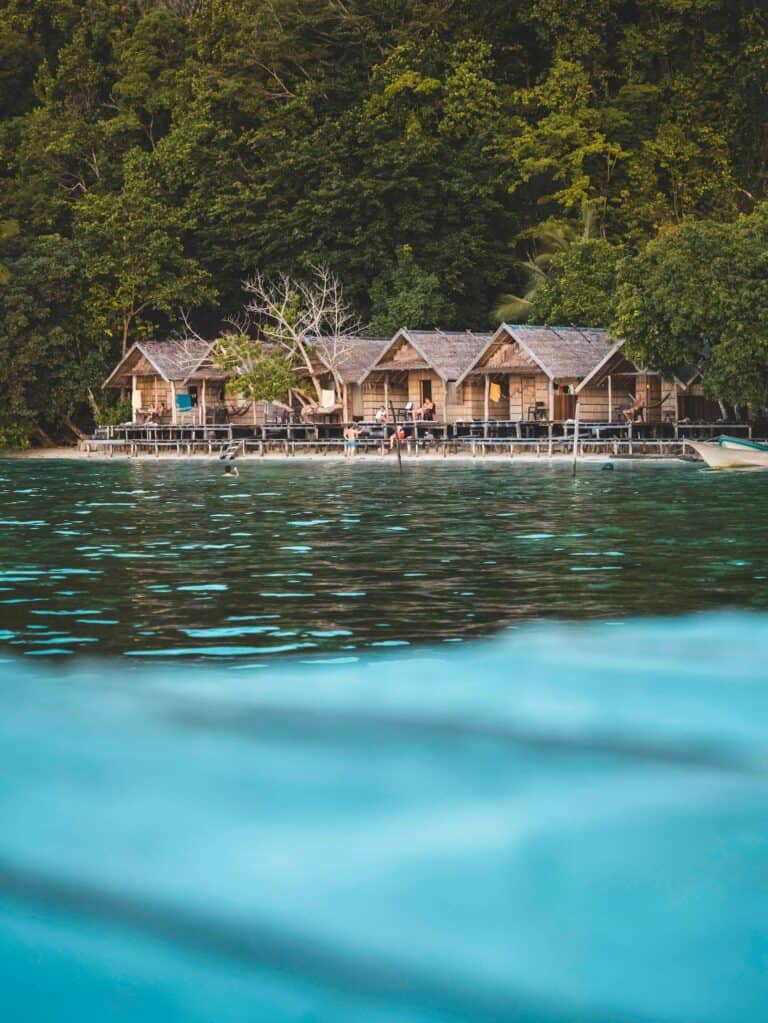
Raja Ampat is known as the “last paradise” for divers — but what’s it really like to dive it in 2025? We joined Scuba Republic on a 7-day dive safari through Central Raja Ampat, exploring 16 world-class dive sites and staying in local homestays along the way. From rare black manta rays at Manta Sandy
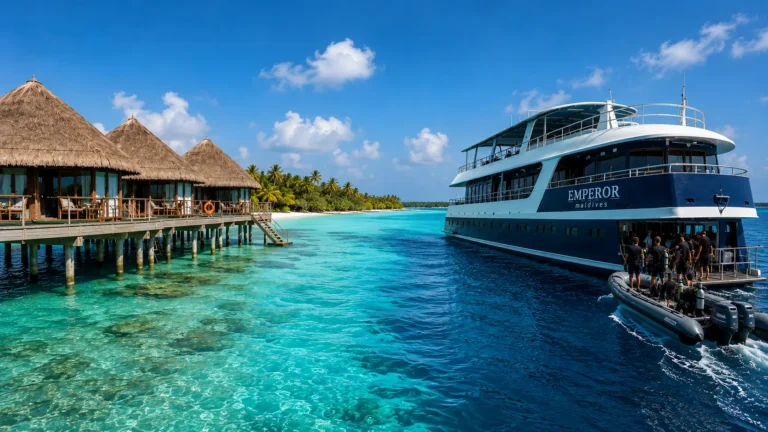
Maldives Diving Guide: If you’re trying to decide between a Maldives liveaboard, dive resort or local island, this guide compares costs, marine life, luxury, safety and overall value to help you decide the best way to dive the Maldives in 2026. 🎥 Prefer Watching Instead? We break down the pros and cons of Maldives liveaboards,
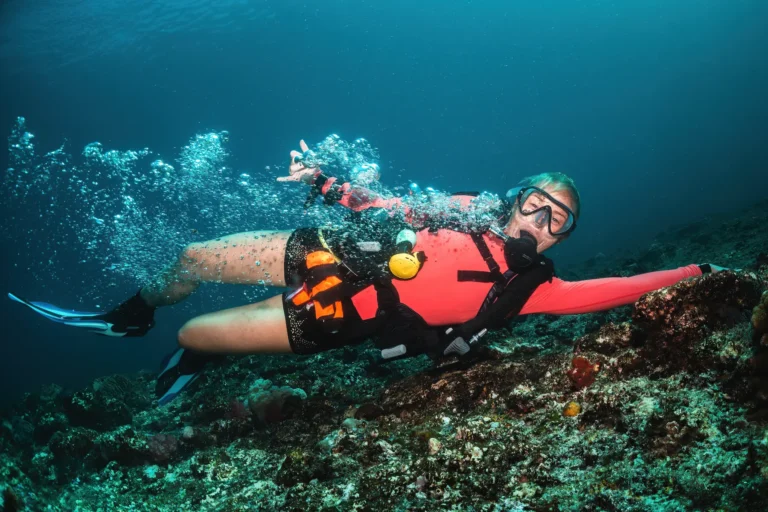
Komodo National Park is widely regarded as one of the most exciting diving destinations on Earth. Komodo’s dive sites are some of the most diverse in the world, offering everything from manta ray encounters to fast-paced drift dives. This guide covers the best dive sites in Komodo National Park — including conditions, marine life, and
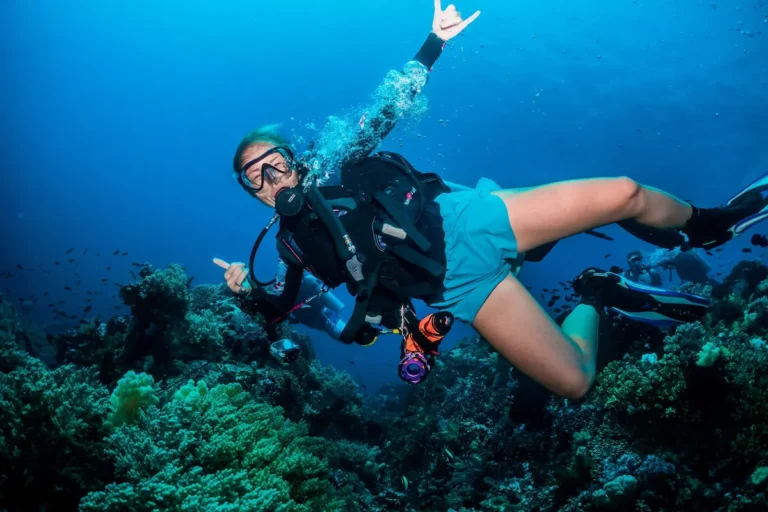
Small, overlooked dive safety tools that could save your life underwater — recommended from over 8 years working professionally in the scuba industry. Most divers spend hours researching expensive dive computers, BCDs and cameras… But some of the most important pieces of scuba safety equipment are actually the smallest, cheapest and easiest items to carry.
We use cookies to improve your experience on our site. By using our site, you consent to cookies.
Manage your cookie preferences below:
Essential cookies enable basic functions and are necessary for the proper function of the website.
These cookies are needed for adding comments on this website.
Statistics cookies collect information anonymously. This information helps us understand how visitors use our website.
Google Analytics is a powerful tool that tracks and analyzes website traffic for informed marketing decisions.
Service URL: policies.google.com (opens in a new window)
3 Comments